ปีผลิต
1977
ผลิตที่
Japan
สูตรเลนส์
4 elements in 4 groups, Sonnar-type derivative
อัปเดต
8 ก.พ. 2569
Nikon AI · 135mm · f/3.5
ปีผลิต
1977
ผลิตที่
Japan
สูตรเลนส์
4 elements in 4 groups, Sonnar-type derivative
อัปเดต
8 ก.พ. 2569
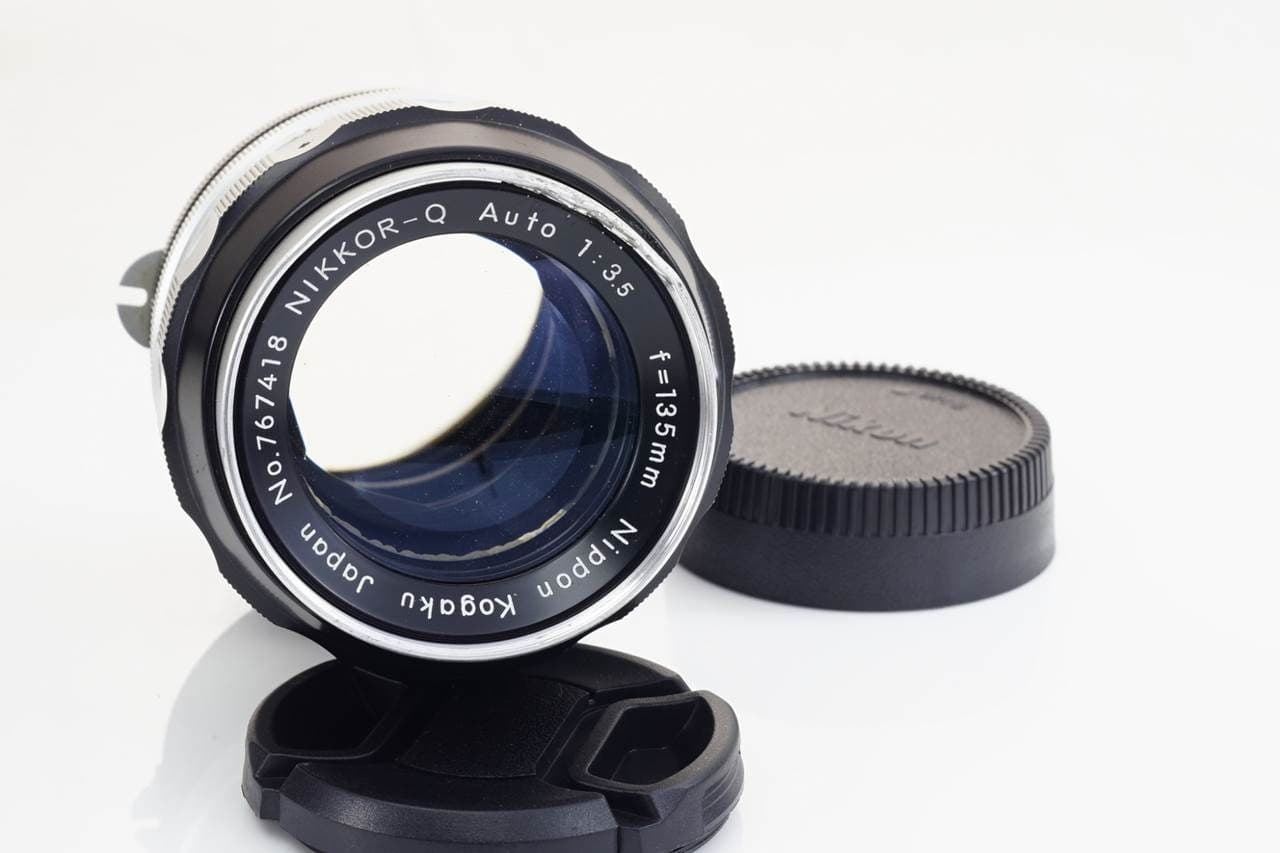
The Nikon 135mm f/3.5 AI represents a pivotal moment in Nikon's transition from the pre-AI era to the more modern Automatic Indexing system introduced in 1977. This lens traces its optical lineage back to the earlier Nikkor-Q 135mm f/3.5, with the 'Q' designation indicating a 4-element Sonnar-type design. The 135mm focal length was considered essential for portrait and telephoto work throughout the 1960s-80s, and Nikon's f/3.5 version was positioned as the accessible alternative to the faster (and significantly larger) 135mm f/2.8 and f/2 siblings. The AI version retained the proven optical formula while adding the crucial AI meter-coupling ridge that allowed full-aperture metering on Nikon bodies without the need for 'rabbit ears' indexing. This lens was manufactured during Nikon's golden era of mechanical precision, when Japanese optical engineering was reaching its zenith. While it never acquired a specific community nickname like some legendary optics, the 135mm f/3.5 earned a quiet reputation among Nikon shooters as the 'sensible telephoto' - compact, sharp, and utterly reliable. Its cult following stems from its exceptional value proposition: you get genuine Nikkor quality in a package small enough to carry all day, with optical performance that punches well above its modest aperture specification.
สรุป: The Nikon 135mm f/3.5 AI is the quintessential 'working photographer's telephoto' - not the flashiest tool in the bag, but one that delivers consistent, professional results decade after decade. It's ideal for shooters who value portability and optical quality over maximum aperture bragging rights. This lens excels in the hands of those who understand that great images come from vision and technique, not spec sheets. Perfect for adapting to modern mirrorless systems where its compact size and excellent stopped-down performance shine. If you need a 135mm for low-light work or maximum background obliteration, look to the faster siblings. But if you want a reliable, characterful telephoto that disappears into your workflow and simply delivers, the f/3.5 is a masterclass in purposeful design. An essential piece for any serious Nikon collector and a genuinely practical tool for contemporary use.
เรียบเนียนและไม่รบกวน พร้อมรูรับแสง 7 ใบมีดที่สร้างไฮไลท์เป็นรูปหลายเหลี่ยมเล็กน้อยเมื่อปรับลดแสง; ให้ภาพที่มีความเป็นกลางอย่างน่าพอใจเมื่อเปิดกว้าง และมีการเบลอพื้นหลังที่นุ่มนวลและค่อยเป็นค่อยไป
มีความเป็นกลางถึงอุ่นเล็กน้อย พร้อมการสร้างสีที่ถูกต้อง; โทนสีผิวถูกถ่ายทอดออกมาอย่างเป็นธรรมชาติ ขณะที่สีน้ำเงินและสีเขียวถูกควบคุมได้ดีเพื่อหลีกเลี่ยงการเบี่ยงเบนไปทางสีไซอัน
ความคมชัดที่ยอดเยี่ยมตรงกลางเมื่อเปิดรูรับแสงกว้าง และมีความสม่ำเสมอที่ดีมากจากขอบถึงขอบที่ f/5.6 โดยมีประสิทธิภาพสูงสุดที่ f/8 ซึ่งคมชัดกว่าหลายๆ เลนส์ f/2.8 ในรูรับแสงที่เทียบเท่า
ควบคุมได้ดีสำหรับยุคสมัยของมันเนื่องจากการเคลือบหลายชั้น; อาจมีการเกิดแสงฟุ้งบางส่วนเมื่อถ่ายภาพในแสงแดดตรง และอาจพบการเกิดภาพซ้อนสีเขียว/ม่วงในบางครั้งเมื่อมีแหล่งแสงจุดที่เข้มข้น.
คอนทราสต์ทั่วโลกอยู่ในระดับปานกลางพร้อมกับไมโครคอนทราสต์ที่น่าพอใจ; การเคลือบ NIC ช่วยให้มีความต้านทานต่อแสงแฟลร์ได้ดี โดยรักษารายละเอียดในเงาและการแยกไฮไลต์ได้อย่างมีประสิทธิภาพ
สังเกตเห็นได้ที่ f/3.5 โดยมีประมาณ 1.5 สตอปในมุมสุดขอบ; จะถูกลดทอนอย่างมากเมื่อใช้ f/5.6.
The Nikon 135mm f/3.5 AI is the quintessential 'working photographer's telephoto' - not the flashiest tool in the bag, but one that delivers consistent, professional results decade after decade. It's ideal for shooters who value portability and optical quality over maximum aperture bragging rights. This lens excels in the hands of those who understand that great images come from vision and technique, not spec sheets. Perfect for adapting to modern mirrorless systems where its compact size and excellent stopped-down performance shine. If you need a 135mm for low-light work or maximum background obliteration, look to the faster siblings. But if you want a reliable, characterful telephoto that disappears into your workflow and simply delivers, the f/3.5 is a masterclass in purposeful design. An essential piece for any serious Nikon collector and a genuinely practical tool for contemporary use.