ปีผลิต
1960 – 1989
ผลิตที่
Japan
สูตรเลนส์
4-7 elements in 4-6 groups
อัปเดต
15 ก.ค. 2569
M42 and K-mount · 28mm · f/2.5
ปีผลิต
1960 – 1989
ผลิตที่
Japan
สูตรเลนส์
4-7 elements in 4-6 groups
อัปเดต
15 ก.ค. 2569
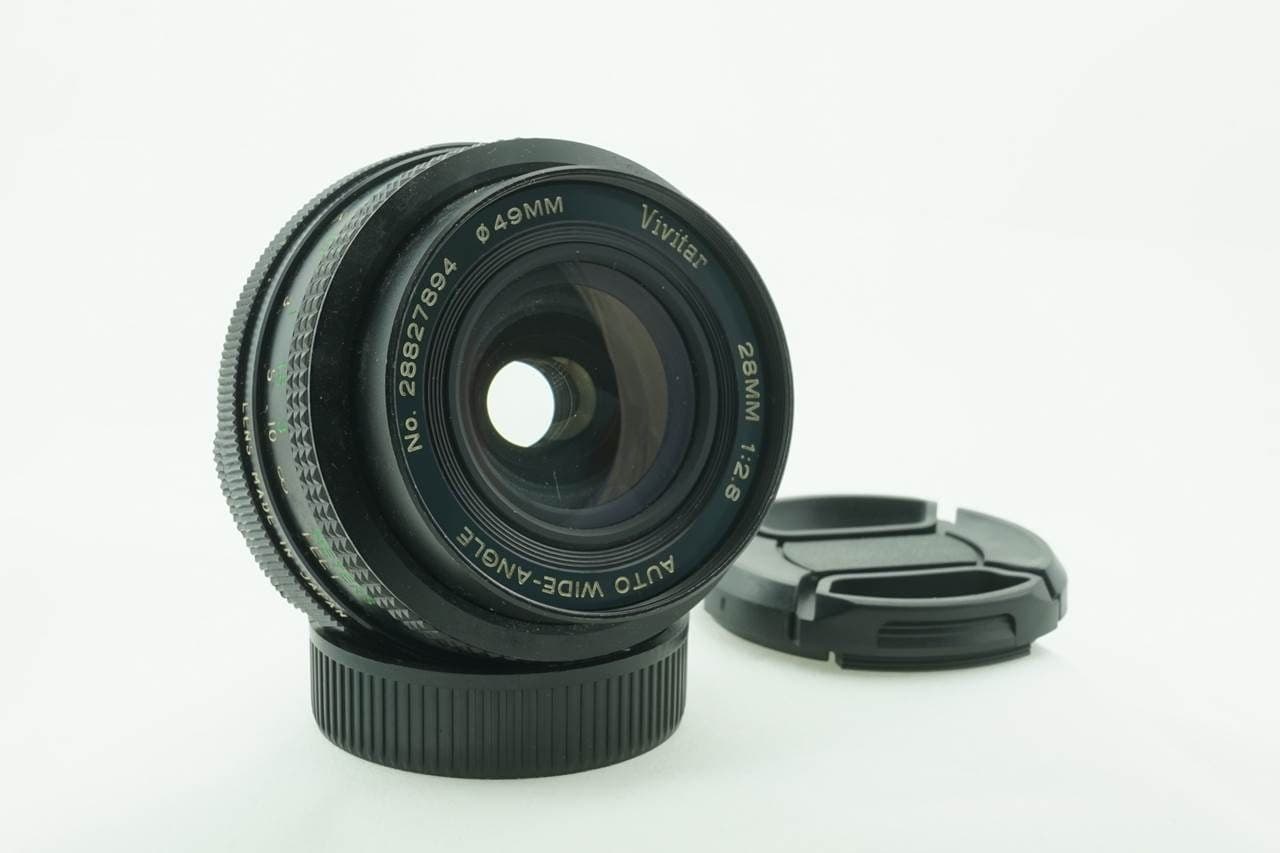
Vivitar 28mm f/2.5 อยู่ในยุคที่ Vivitar ทำหน้าที่เป็นบริษัทสั่งจ้างผลิตและขายภายใต้แบรนด์ตัวเองมากกว่าจะเป็นผู้ผลิตโดยตรง — สั่งจ้างผู้ผลิตภายนอกในญี่ปุ่นแล้วนำมาจำหน่ายในชื่อของตัวเอง ตามรีวิว เลนส์มุมกว้างตัวนี้มักผลิตโดย Kiron นักสะสมจะระบุเลนส์ที่ผลิตโดย Kiron ได้จากรหัสซีเรียล — คำว่า Kiron จึงเป็นคำเฉพาะเดียวที่ผูกกับเลนส์ชิ้นนี้ ใช้บอกผู้ผลิตเจาะจง (โดยทั่วไปเป็นที่ยอมรับ) มากกว่าจะเป็นชื่อเล่น แหล่งข้อมูลระบุชัดเจนว่าเลนส์ตัวนี้ไม่มีชื่อเล่นที่เป็นที่ยอมรับ อย่าคาดหวังว่าจะมี ผู้ติดตามเลนส์รุ่นนี้มีจำนวนไม่มากและเน้นการใช้งานจริงมากกว่าการคลั่งไคล้: คนเลือกมันเพราะเป็นมุมกว้างราคาประหยัดที่มีคาแรกเตอร์ ตัวเลนส์บอดี้โลหะคุณภาพดี หมุนโฟกัสได้สัมผัสยอดเยี่ยม พวกเขารับข้อบกพร่องทางออปติคส์เป็นราคาที่ต้องจ่ายเพื่อแลกกับเลนส์ราคาถูกที่จับได้ถนัดมือ ผู้รีวิวมักสรุปว่า "ดี น่าพอใจ คุ้มค่า แต่ไม่โดดเด่น" และหลายคนชี้ว่า Vivitar 28mm f/2.8 แยกต่างหากได้รับการให้คะแนนสูงกว่าเวอร์ชัน f/2.5 นี้.
สรุป: Vivitar 28mm f/2.5 เหมาะกับผู้ที่ชื่นชอบเลนส์มือหมุนและต้องการมุมกว้างราคาประหยัดที่ผลิตดีและให้สัมผัสการใช้งานยอดเยี่ยม โดยพร้อมจะปรับการใช้งานให้เข้ากับข้อจำกัดทางออปติคส์แทนที่จะพยายามต่อสู้กับมัน ในแสงที่ควบคุมได้จะให้ความคมชัดที่ยอมรับได้ ความบิดเบี้ยวน้อย และสีที่น่าพอใจ แต่หันไปทางดวงอาทิตย์ชิ้นเลนส์หน้าขนาดใหญ่จะเกิดแฟลร์หนัก ขอบดำชัดเมื่อเปิดกว้างสุด และโบเก้จะไม่สม่ำเสมอพร้อมไฮไลต์เป็นวง ซื้อเพราะคาแรกเตอร์และความรู้สึกการโฟกัสที่ยอดเยี่ยม ไม่ใช่เพื่อประสิทธิภาพแบบเนี้ยบไร้ที่ติ — ถ้าออปติคส์ที่ไร้ข้อจำกัดสำคัญกว่า รุ่น f/2.8 แยกต่างหากได้รับการยอมรับสูงกว่า
ไม่สม่ำเสมอ — บางครั้งสวยมาก บางครั้งปานกลาง — โดยมีไฮไลต์เป็นวงแหวนซึ่งมักมาจากแฟลร์ที่เกิดจากชิ้นเลนส์หน้าขนาดใหญ่
การให้สีดีในระดับพอใช้ จัดอยู่หลัง Pentax M 28mm f/2.8 เล็กน้อย
คมระดับพอใช้ถึงคมดีแม้เมื่อเปิดกว้างสุด โดยขาดรายละเอียดเล็กน้อย ดีขึ้นเมื่อหรี่รูรับแสง; พบความแตกต่างระหว่างชิ้นแต่ละตัว
แย่ — ไวต่อย้อนแสงและเกิดแฟลร์ง่าย เนื่องจากชิ้นเลนส์หน้าที่มีขนาดใหญ่ผิดปกติ
คอนทราสต์ดี แต่ลดลงได้ง่ายเมื่อมีแฟลร์ในสภาพย้อนแสง
ขอบดำรุนแรงมากที่ f/2.5 ขณะเปิดกว้างสุด เบาลงเมื่อหรี่รูรับแสง
อะแดปเตอร์จริงจากร้านที่ใช้กับเมาท์ของเลนส์นี้ได้
Standard · ฿325 · มีสินค้า
Standard · ฿325 · มีสินค้า
Standard · ฿325 · มีสินค้า
Standard · ฿325 · มีสินค้า
Standard · ฿540 · มีสินค้า
Standard · ฿540 · มีสินค้า
Standard · ฿540 · มีสินค้า
Standard · ฿540 · มีสินค้า
Standard · ฿540 · มีสินค้า
Standard · ฿1,250 · มีสินค้า
Standard · ฿890 · หมด
Standard · ฿890 · หมด
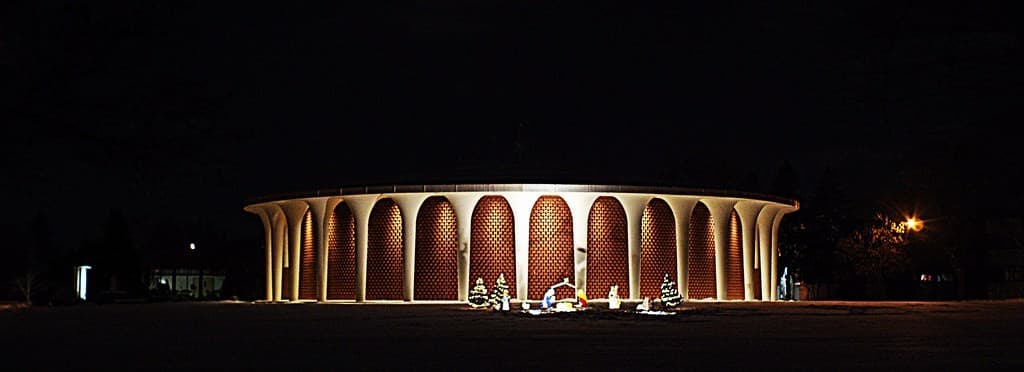
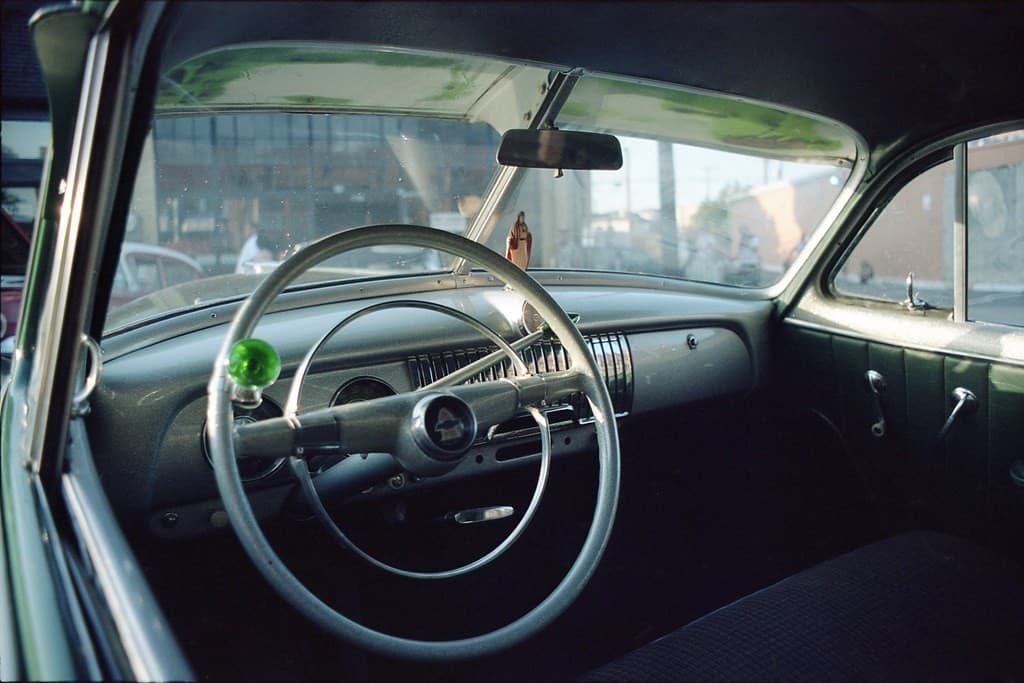
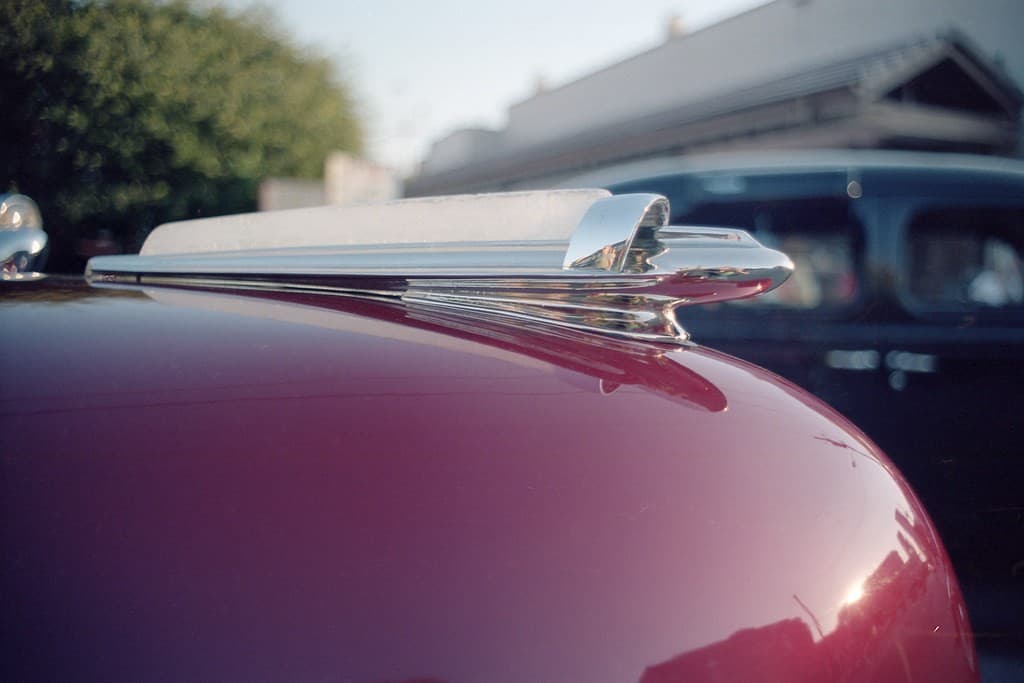


Vivitar 28mm f/2.5 เหมาะกับผู้ที่ชื่นชอบเลนส์มือหมุนและต้องการมุมกว้างราคาประหยัดที่ผลิตดีและให้สัมผัสการใช้งานยอดเยี่ยม โดยพร้อมจะปรับการใช้งานให้เข้ากับข้อจำกัดทางออปติคส์แทนที่จะพยายามต่อสู้กับมัน ในแสงที่ควบคุมได้จะให้ความคมชัดที่ยอมรับได้ ความบิดเบี้ยวน้อย และสีที่น่าพอใจ แต่หันไปทางดวงอาทิตย์ชิ้นเลนส์หน้าขนาดใหญ่จะเกิดแฟลร์หนัก ขอบดำชัดเมื่อเปิดกว้างสุด และโบเก้จะไม่สม่ำเสมอพร้อมไฮไลต์เป็นวง ซื้อเพราะคาแรกเตอร์และความรู้สึกการโฟกัสที่ยอดเยี่ยม ไม่ใช่เพื่อประสิทธิภาพแบบเนี้ยบไร้ที่ติ — ถ้าออปติคส์ที่ไร้ข้อจำกัดสำคัญกว่า รุ่น f/2.8 แยกต่างหากได้รับการยอมรับสูงกว่า
Vivitar 28mm f2.5 เป็นเลนส์วินเทจที่แข็งแกร่งซึ่งมีประสิทธิภาพที่เชื่อถือได้ สมาชิกในชุมชนแนะนำว่าเป็นผู้แสดงที่มีความสามารถสำหรับช่างภาพที่มองหาคุณภาพทางออปติกที่ดีควบคู่กับลักษณะวินเทจและความคุ้มค่า
Vivitar 28mm f2.5 เป็นเลนส์วินเทจที่แข็งแกร่งซึ่งมีประสิทธิภาพที่เชื่อถือได้ สมาชิกในชุมชนแนะนำว่าเป็นผู้แสดงที่มีความสามารถสำหรับช่างภาพที่ต้องการคุณภาพทางแสงที่ดีร่วมกับลักษณะวินเทจและความสามารถในการเข้าถึง.