ปีผลิต
1950 – 1989
ผลิตที่
East Germany (DDR)
สูตรเลนส์
4 elements in 3 groups
อัปเดต
6 ก.พ. 2569
M42 · 50mm · f/2.8
ปีผลิต
1950 – 1989
ผลิตที่
East Germany (DDR)
สูตรเลนส์
4 elements in 3 groups
อัปเดต
6 ก.พ. 2569
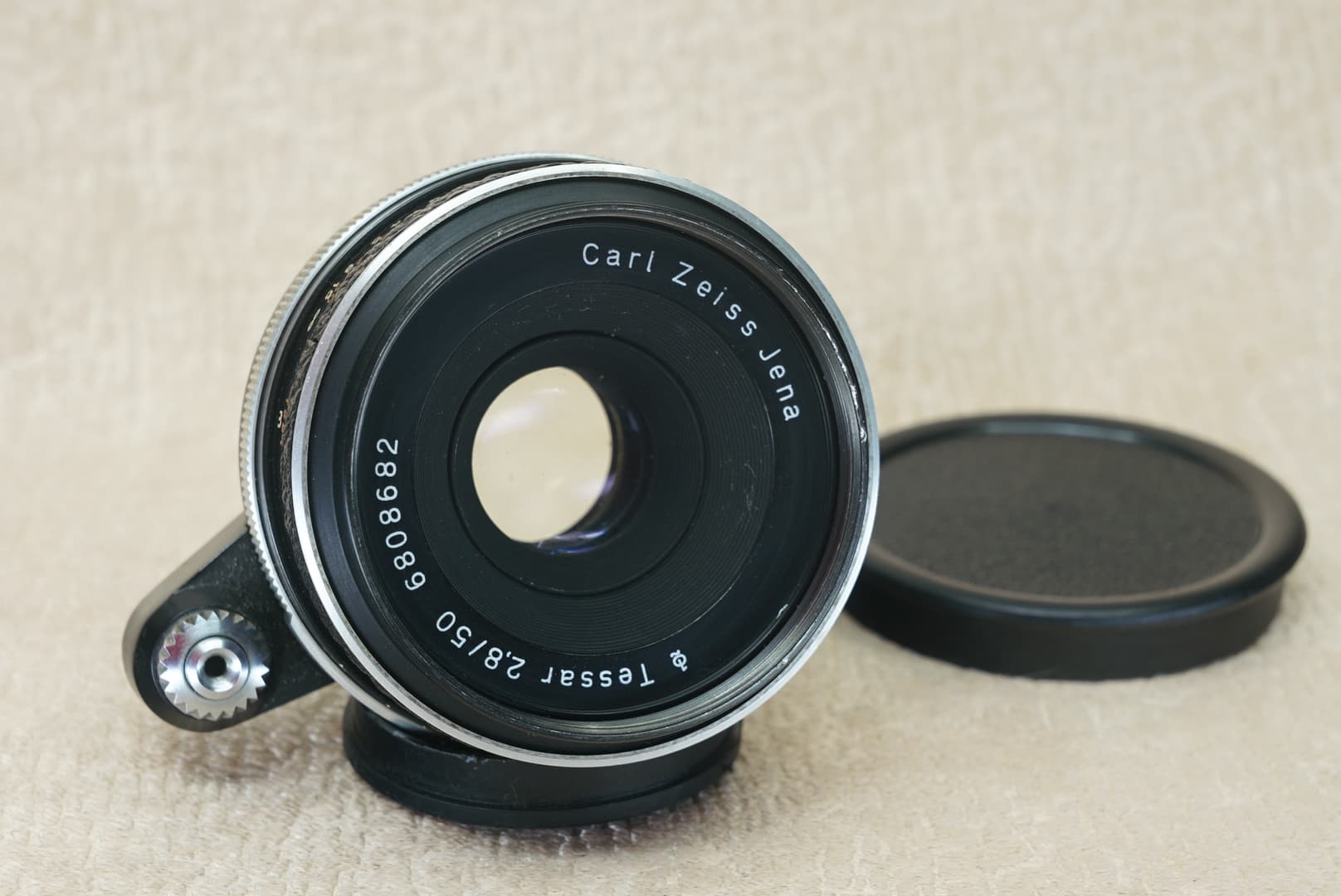
Carl Zeiss Tessar เป็นหนึ่งในการออกแบบกระจกเลนส์ที่มีความสำคัญทางประวัติศาสตร์ในประวัติศาสตร์การถ่ายภาพ ได้รับฉายาในตำนานว่า 'The Eagle Eye' (Adlerauge) จากความคมที่โดดเด่น การออกแบบ Tessar ดั้งเดิมได้รับสิทธิบัตรโดย Paul Rudolph ที่ Carl Zeiss Jena ในปี 1902 พัฒนามาจากการออกแบบ Protar ก่อนหน้า ชื่อมาจากกรีก 'tessera' หมายถึงสี่ อ้างอิงถึงโครงสร้างกระจกเลนส์ 4 ชิ้น รุ่นเมาท์ M42 ผลิตเป็นหลักโดย Carl Zeiss Jena (เยอรมนีตะวันออก) ตั้งแต่ยุค 1950s ถึง 1980s ทำให้เข้าถึงช่างภาพจำนวนมากในยุคทองของการถ่ายภาพ 35mm Tessar กลายเป็นมาตรฐานที่ใช้เปรียบเทียบเลนส์อื่นๆ เป็นเวลาหลายทศวรรษ และการออกแบบนี้ถูกคัดลอกและดัดแปลงโดยผู้ผลิตเลนส์รายใหญ่เกือบทุกแห่งทั่วโลก ความนิยมลัทธิของมันมาจากความคมชัดที่ยอดเยี่ยมตรงกลางแม้เมื่อเปิดกว้างสุด การถ่ายทอดภาพที่ตรงไปตรงมาและเป็นเชิงวิเคราะห์ที่นิยามความหมายของคำว่า 'ดี' ให้แก่คนรุ่นต่างๆ และที่ตั้งของมันในฐานะเลนส์ที่บันทึกเหตุการณ์สำคัญมากมายของศตวรรษที่ 20 ช่างภาพมืออาชีพวางใจมันอย่างเต็มที่ และอิทธิพลของการออกแบบยังทอดยาวถึงโมดูลกล้องสมาร์ทโฟนสมัยใหม่ที่ยังใช้การจัดวางแบบ Tessar-type
สรุป: Carl Zeiss Tessar ในเมาท์ M42 เป็นเลนส์สำหรับช่างภาพที่ให้คุณค่ากับความแม่นยำ ประวัติศาสตร์ และความตรงไปตรงมาทางออปติคอล มากกว่าการให้โทนแบบโรแมนติก มันตอบแทนผู้ที่เข้าใจจุดแข็งของมัน—ความคมตรงกลางที่โดดเด่น ไมโครคอนทราสต์ยอดเยี่ยม และความเที่ยงตรงทางเรขาคณิต—และทำงานภายในข้อจำกัดของมัน นี่ไม่ใช่เลนส์สำหรับโบเก้ครีมมี่ในพอร์เทรตหรือเอฟเฟ็กต์ความชัดตื้นจัด อย่างไรก็ตาม มันเหมาะอย่างยิ่งสำหรับการถ่ายภาพสตรีท งานสารคดี ภูมิประเทศ และสำหรับใครก็ตามที่อยากเป็นเจ้าของชิ้นส่วนของประวัติศาสตร์ออปติคัลที่ยังให้คุณภาพภาพที่มีความหมายบนกล้องยุคใหม่ Tessar คือบทเรียนชั้นยอดในการทำมากด้วยน้อย—ชิ้นเลนส์ 4 ชิ้นให้ความคมที่ทำให้การออกแบบที่ซับซ้อนกว่าหลายแบบต้องอับอาย ราคาในตลาดปัจจุบันทำให้มันคุ้มค่าสำหรับผู้ที่ชื่นชมสิ่งที่มันถูกออกแบบมาให้ทำ
โบเก้ที่ยุ่งเหยิงและตื่นเต้น พร้อมขอบสองด้านบนจุดสว่าง; ไม่เหมาะสำหรับการแยกพื้นหลังที่เรียบเนียนในภาพถ่ายบุคคล
มีความเป็นกลางถึงเย็นเล็กน้อยโดยมีความอิ่มสีที่จำกัด; รุ่นที่เคลือบเดี่ยวจะแสดงโทนสีที่อบอุ่นกว่า
ความคมชัดที่ยอดเยี่ยมตรงกลางเมื่อเปิดรูรับแสงกว้าง ทำให้เลนส์นี้ได้รับชื่อเสียงในฐานะ 'Eagle Eye'; ความคมชัดที่มุมจะดีขึ้นอย่างมากเมื่อใช้ที่ f/5.6-f/8
รุ่นที่เคลือบเดี่ยวมีแนวโน้มที่จะเกิดการแผ่แสงที่ทำให้ภาพเบลออย่างมาก ในขณะที่รุ่นที่เคลือบ T จัดการกับการแผ่แสงได้ดีกว่า แต่ยังคงมีการเกิดภาพสะท้อนที่มีอุณหภูมิสีอบอุ่นอยู่บ้าง
มีไมโครคอนทราสต์ที่ยอดเยี่ยมในกลางภาพ พร้อมกับคอนทราสต์ทั่วไประดับปานกลาง; รุ่นที่เคลือบชั้นเดียวจะแสดงคอนทราสต์ที่ต่ำกว่าในสถานการณ์ที่มีแสงย้อน.
มีการเว้าเล็กน้อยที่มุมเมื่อเปิดรูรับแสงกว้างประมาณ 1.5-2 สต็อป; จะไม่สังเกตเห็นเมื่อใช้ f/5.6.
อะแดปเตอร์จริงจากร้านที่ใช้กับเมาท์ของเลนส์นี้ได้
Standard · ฿325 · มีสินค้า
Standard · ฿325 · มีสินค้า
Standard · ฿325 · มีสินค้า
Standard · ฿325 · มีสินค้า
Standard · ฿540 · มีสินค้า
Standard · ฿540 · มีสินค้า
Standard · ฿540 · มีสินค้า
Standard · ฿540 · มีสินค้า
Standard · ฿540 · มีสินค้า
Standard · ฿1,250 · มีสินค้า
Standard · ฿890 · หมด
Standard · ฿890 · หมด
Carl Zeiss Tessar ในเมาท์ M42 เป็นเลนส์สำหรับช่างภาพที่ให้คุณค่ากับความแม่นยำ ประวัติศาสตร์ และความตรงไปตรงมาทางออปติคอล มากกว่าการให้โทนแบบโรแมนติก มันตอบแทนผู้ที่เข้าใจจุดแข็งของมัน—ความคมตรงกลางที่โดดเด่น ไมโครคอนทราสต์ยอดเยี่ยม และความเที่ยงตรงทางเรขาคณิต—และทำงานภายในข้อจำกัดของมัน นี่ไม่ใช่เลนส์สำหรับโบเก้ครีมมี่ในพอร์เทรตหรือเอฟเฟ็กต์ความชัดตื้นจัด อย่างไรก็ตาม มันเหมาะอย่างยิ่งสำหรับการถ่ายภาพสตรีท งานสารคดี ภูมิประเทศ และสำหรับใครก็ตามที่อยากเป็นเจ้าของชิ้นส่วนของประวัติศาสตร์ออปติคัลที่ยังให้คุณภาพภาพที่มีความหมายบนกล้องยุคใหม่ Tessar คือบทเรียนชั้นยอดในการทำมากด้วยน้อย—ชิ้นเลนส์ 4 ชิ้นให้ความคมที่ทำให้การออกแบบที่ซับซ้อนกว่าหลายแบบต้องอับอาย ราคาในตลาดปัจจุบันทำให้มันคุ้มค่าสำหรับผู้ที่ชื่นชมสิ่งที่มันถูกออกแบบมาให้ทำ