ปีผลิต
1981 – 2005
ผลิตที่
Japan
สูตรเลนส์
6 elements in 5 groups, Double-Gauss derivative (Planar-type)
อัปเดต
6 ก.ค. 2569
Nikon AI-S · 50mm · f/1.8
ปีผลิต
1981 – 2005
ผลิตที่
Japan
สูตรเลนส์
6 elements in 5 groups, Double-Gauss derivative (Planar-type)
อัปเดต
6 ก.ค. 2569
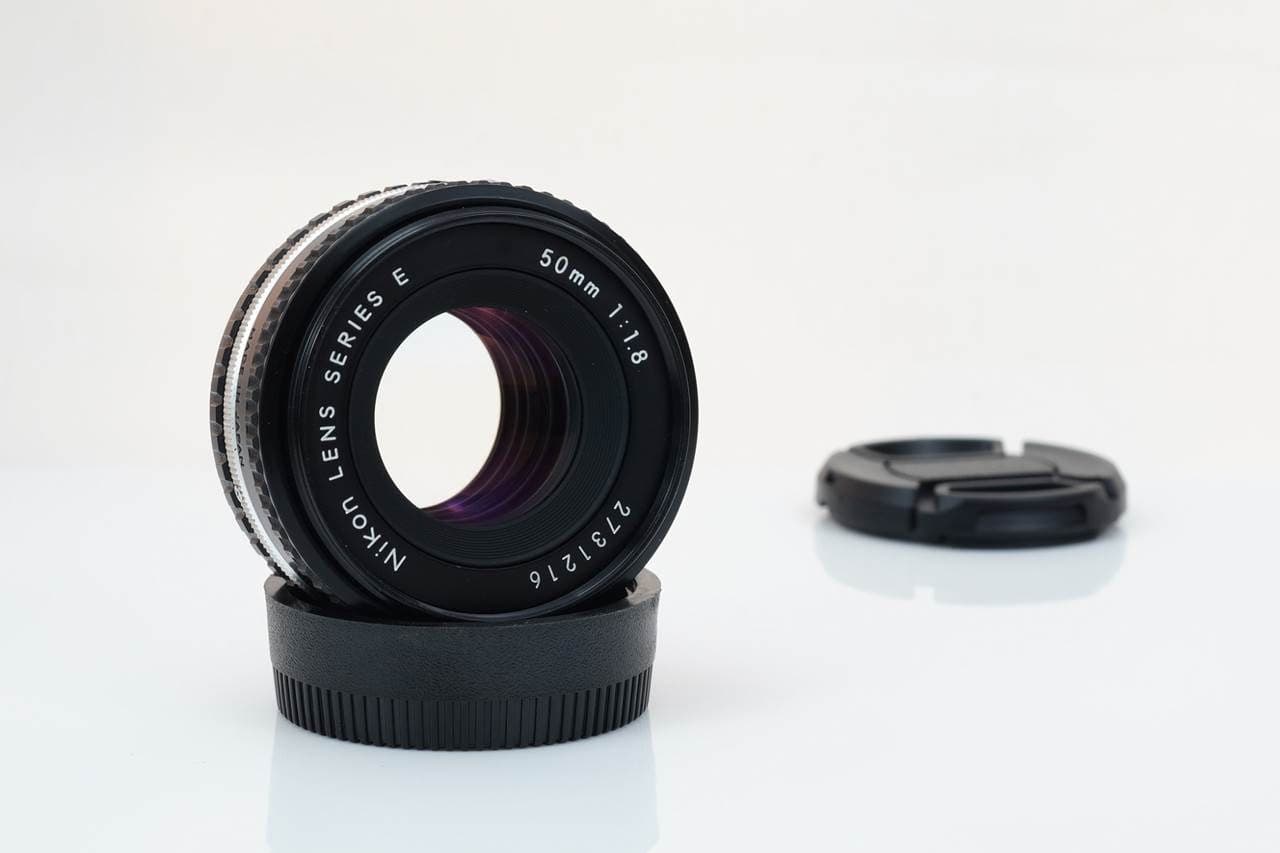
Nikon 50mm f/1.8 AI-S (ไม่นับ Series E ที่เป็นรุ่นก่อนหน้า) แสดงให้เห็นแนวทางที่นิคอนปรับปรุงสูตรเลนส์มาตรฐาน ถูกนำเสนอตั้งแต่ปี 1979 ในระบบ AI-S (Automatic Indexing Shutter) ที่เปิดทางให้เกิดการทำงานแบบ Program และ Shutter-Priority บนกล้องเช่น FA และ FG เลนส์นี้พัฒนามาจากรุ่น AI เดิมและถูกออกแบบให้เป็นตัวเลือกเลนส์ 'ปกติ' ที่เข้าถึงได้ง่ายกว่าเลนส์ในตำนานอย่าง 50mm f/1.4 บ่อยครั้งถูกเรียกเล่นๆ ว่า 'Nifty Fifty' (คำที่ใช้กันทั่วไปกับเลนส์ 50mm f/1.8 ราคาประหยัดของหลายแบรนด์) เลนส์ทรงแพนเค้กรุ่นนี้กลายเป็นงานหลักของช่างภาพมืออาชีพและสมัครเล่นนับไม่ถ้วนในช่วงทศวรรษ 1980-1990 ต่างจาก Series E 50mm f/1.8 ที่ใช้วัสดุพลาสติกราคาถูกและทำการตลาดเป็นรุ่นประหยัด รุ่น AI-S ยังคงรักษา คุณภาพการผลิต แบบโลหะของนิคอนไว้ แฟนๆ ชื่นชอบเพราะประสิทธิภาพเชิงแสงที่ยอดเยี่ยมเมื่อเทียบกับราคาที่ไม่แพง หลายคนพบว่ามันให้ประสิทธิภาพได้ประมาณ 90% ของ f/1.4 ในราคาน้ำหนักและต้นทุนที่ต่ำกว่าอย่างมาก ผลิตต่อเนื่องยาวนานหลายทศวรรษ เป็นข้อพิสูจน์ถึงปรัชญาแบบ 'ถ้ามันไม่พังก็ไม่ต้องแก้' ของนิคอน และยังคงเป็นหนึ่งในเลนส์ มือหมุน ที่แนะนำบ่อยสำหรับผู้เริ่มเข้าสู่ระบบ Nikon หรือผู้ที่ดัดแปลงไปใช้กับกล้องมิเรอร์เลส
สรุป: Nikon 50mm f/1.8 AI-S คือ 'เลนส์ตรงไปตรงมา' ที่ทำงานได้ตามที่สัญญาไว้และเกินความคาดหวังในหลายด้าน เหมาะอย่างยิ่งสำหรับช่างภาพที่ให้ความสำคัญกับผลลัพธ์มากกว่าตัวเลขสเปก สำหรับผู้ที่ต้องการ 50mm ที่ใช้ได้ทนทานไม่ต้องกังวล และผู้ที่เริ่มต้นกับระบบ Nikon มือหมุนหรือดัดแปลงไปใช้กับมิเรอร์เลส มันจะไม่ทำให้ตะลึงด้วยโบเก้เนียนหรือเอกลักษณ์การเรนเดอร์แบบจัดจ้าน แต่จะให้ภาพที่ ดีมาก อย่างสม่ำเสมอเกือบทุกสภาพ แก่ช่างภาพข่าว สารคดี และผู้ที่ต้องการอุปกรณ์ทำงานในงบประมาณ เลนส์นี้ไม่ใช่แค่ 'พอใช้'—บ่อยครั้งเป็นตัวเลือกที่ชาญฉลาดที่สุดในชุด
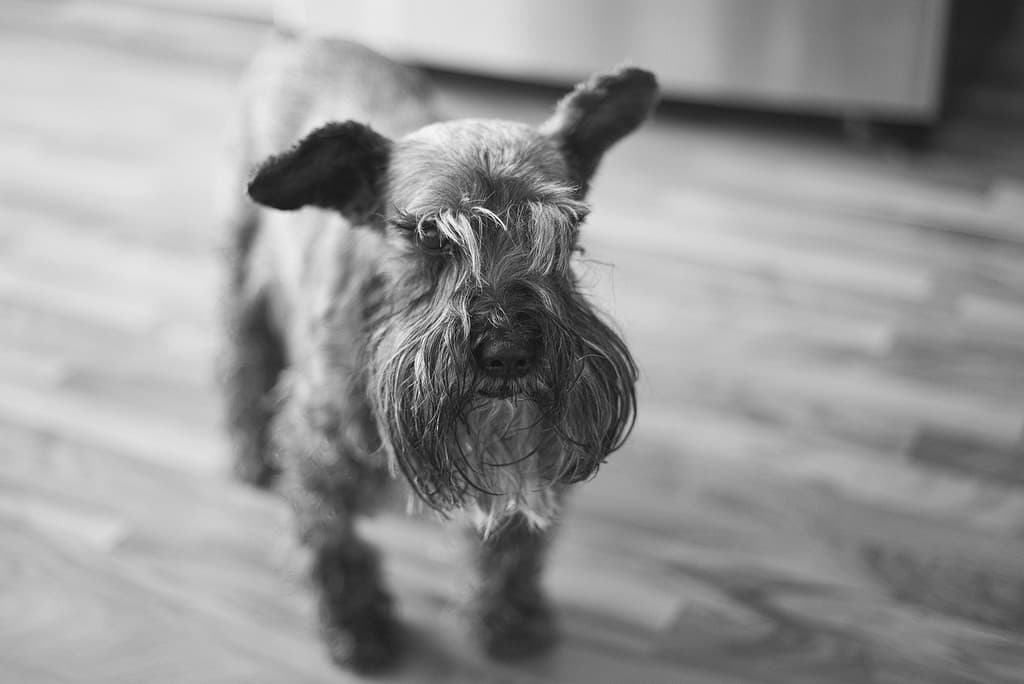
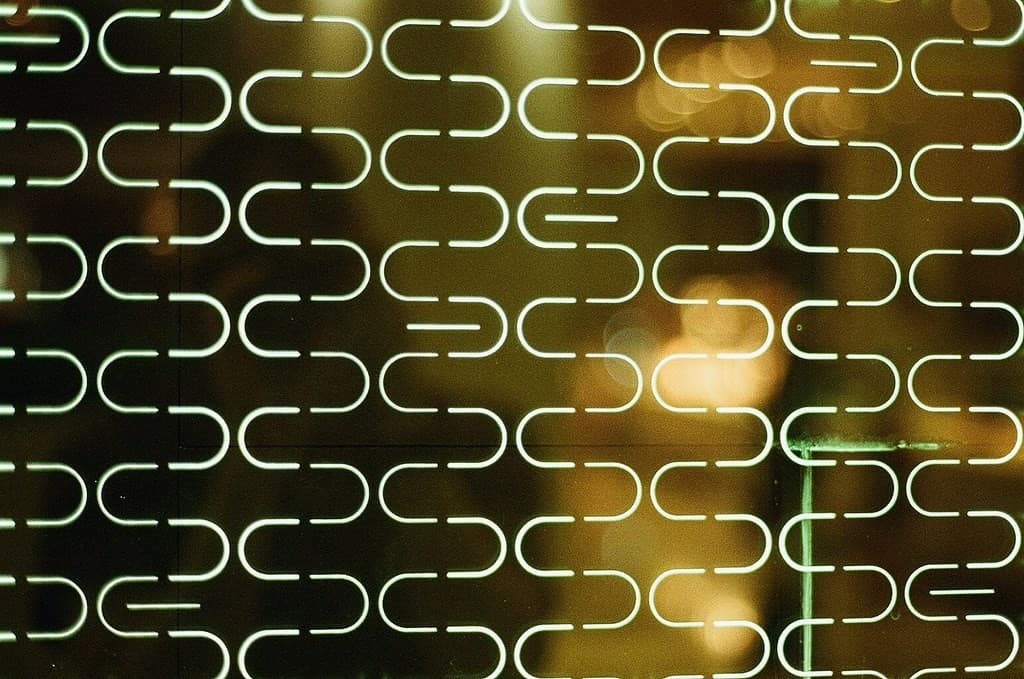
น่าพอใจแต่ไม่โดดเด่น; ใบมีด 7 ใบที่เรียบตรงสร้างไฮไลต์ที่มีลักษณะเป็นรูปหลายเหลี่ยมเล็กน้อยเมื่อปรับรูรับแสงแคบลง ขณะที่เปิดกว้างจะให้ภาพที่เรียบเนียนโดยมีการขีดเส้นขอบน้อยมาก
เป็นโทนสีที่เป็นกลางถึงอบอุ่นเล็กน้อย โดยมีอคติสีเหลืองอำพันที่เป็นเอกลักษณ์ของ Nikon ในแสงที่อบอุ่น สีสันถูกต้องโดยไม่เกิดการอิ่มตัวเกินไป เหมาะสำหรับโทนสีผิวธรรมชาติอย่างยิ่ง
ความคมชัดที่ยอดเยี่ยมในจุดกลางแม้จะเปิดรูรับแสงกว้าง; มุมภาพมีความสม่ำเสมอเมื่อใช้ที่ f/4; ประสิทธิภาพสูงสุดที่ f/5.6-f/8 สามารถแข่งขันกับเลนส์ที่มีราคาสูงกว่ามากได้
ควบคุมได้ดีด้วยการเคลือบผิวแบบรวมของ Nikon; แสงแดดตรงทำให้เกิดภาพซ้อนสีเขียว/ม่วงเล็กน้อย แต่การเกิดแสงแฟลร์ที่ปกคลุมมีน้อยมาก
ความคอนทราสต์ทั่วโลกอยู่ในระดับปานกลางพร้อมกับไมโครคอนทราสต์ที่ดีเมื่อปรับรูรับแสงลดลง; เมื่อเปิดรูรับแสงกว้างจะแสดงคอนทราสต์ที่ลดลงเล็กน้อยเนื่องจากการบิดเบือนทรงกลมเล็กน้อย ซึ่งจะชัดเจนขึ้นเมื่อใช้ที่ f/2.8.
มีการเบลอที่มุมชัดเจนเมื่อเปิดรูรับแสงกว้างประมาณ 1.5 สต็อป; จะชัดเจนขึ้นอย่างมากเมื่อใช้ f/2.8 และแทบจะไม่เห็นเมื่อใช้ f/4.
Nikon 50mm f/1.8 AI-S คือ 'เลนส์ตรงไปตรงมา' ที่ทำงานได้ตามที่สัญญาไว้และเกินความคาดหวังในหลายด้าน เหมาะอย่างยิ่งสำหรับช่างภาพที่ให้ความสำคัญกับผลลัพธ์มากกว่าตัวเลขสเปก สำหรับผู้ที่ต้องการ 50mm ที่ใช้ได้ทนทานไม่ต้องกังวล และผู้ที่เริ่มต้นกับระบบ Nikon มือหมุนหรือดัดแปลงไปใช้กับมิเรอร์เลส มันจะไม่ทำให้ตะลึงด้วยโบเก้เนียนหรือเอกลักษณ์การเรนเดอร์แบบจัดจ้าน แต่จะให้ภาพที่ ดีมาก อย่างสม่ำเสมอเกือบทุกสภาพ แก่ช่างภาพข่าว สารคดี และผู้ที่ต้องการอุปกรณ์ทำงานในงบประมาณ เลนส์นี้ไม่ใช่แค่ 'พอใช้'—บ่อยครั้งเป็นตัวเลือกที่ชาญฉลาดที่สุดในชุด