ปีผลิต
1965 – 1977
ผลิตที่
Japan
สูตรเลนส์
Sonnar-type 7-element design derived from Zeiss Sonnar formula
อัปเดต
16 ก.ค. 2569
Nikon F Non-AI · 50mm · f/1.2
ปีผลิต
1965 – 1977
ผลิตที่
Japan
สูตรเลนส์
Sonnar-type 7-element design derived from Zeiss Sonnar formula
อัปเดต
16 ก.ค. 2569
การเรียกชื่อ Nikkor-S ของ Nikon เป็นบทสำคัญในประวัติศาสตร์กระจกเลนส์ของ Nikon ครอบคลุมตั้งแต่ยุคเรนจ์ไฟน์เดอร์จนถึงช่วงต้นของกล้อง SLR ตัวอักษร 'S' ใน Nikkor-S บ่งบอกถึงการออกแบบกระจกเลนส์แบบ Sonnar ซึ่งสืบทอดมาจากสูตรคลาสสิกของ Zeiss Sonnar ที่ปฏิวัติการออกแบบเลนส์ในทศวรรษ 1930 Nikon นำระบบการตั้งชื่อแบบนี้มาใช้เป็นส่วนหนึ่งของแนวทางเชิงระบบในการเรียกชื่อเลนส์ โดยแต่ละตัวอักษรบ่งชี้จำนวนชิ้นเลนส์ (S = 7 ชิ้นเลนส์ มาจากภาษาละติน 'septem') เลนส์ Nikkor-S ในเมาท์ Non-AI ถูกผลิตขึ้นในยุคทองของการผลิตกระจกเลนส์ญี่ปุ่น ตั้งแต่กลางทศวรรษ 1960 ถึงกลางทศวรรษ 1970 ก่อนที่ Nikon จะเปิดตัวระบบ Automatic Indexing (AI) ในปี 1977 เลนส์เหล่านี้สร้างขึ้นในช่วงที่ Nikon ยืนยันตำแหน่งตัวเองในฐานะผู้นำด้านการถ่ายภาพ 35mm ระดับมืออาชีพ แข่งกับ Leica โดยท้ายที่สุดแซงหน้าในตลาดมืออาชีพ เลนส์ Non-AI Nikkor-S ได้รับความรักจากนักสะสมและช่างภาพทั้งหลายเพราะคุณภาพการผลิตที่โดดเด่น ตัวเรือนโลหะทั้งหมดพร้อมเกลียวหมุนโฟกัสทองเหลืองและวงแหวนโฟกัสที่กลึงอย่างประณีต แม้จะไม่ได้มีชื่อเล่นแพร่หลายเหมือนเลนส์วินเทจบางตัว แต่ซีรีส์ Nikkor-S มักถูกเรียกรวมในชุมชนว่าเป็นกลุ่ม 'Pre-AI' หรือ 'NAI' โดยเฉพาะรุ่น 50mm f/1.4 และ 55mm f/1.2 ที่ได้รับความต้องการสูง ความนิยมเฉพาะกลุ่มมาจากการผสมผสานของราคาที่เข้าถึงได้มากกว่าเมื่อเทียบกับรุ่น AI และ AI-S ต่อความรู้สึกทางกลของความเที่ยงตรงในการใช้งาน และการถ่ายทอดภาพที่หลายคนบอกว่ามี 'จิตวิญญาณ' มากกว่าเลนส์สมัยใหม่ที่แม่นยำเชิงคลินิก
สรุป: เลนส์ Nikon Nikkor-S Non-AI เป็นข้อเสนอที่คุ้มค่าสำหรับช่างภาพที่มองหามรดกกระจกเลนส์ระดับพรีเมียมโดยไม่ต้องจ่ายราคาพรีเมียม เหมาะสำหรับผู้ใช้กล้องมิเรอร์เลสที่ชื่นชอบมือหมุนและต้องการลักษณะการถ่ายทอดแบบออร์แกนิกซึ่งต่างจากความสมบูรณ์แบบเชิงคลินิกของเลนส์ออโต้โฟกัสสมัยใหม่ ช่างภาพพอร์เทรต คนถ่ายสตรีทที่ยอมรับวิธีการที่ช้าลง และผู้ที่ให้คุณค่ากับกระบวนการทำภาพอย่างตั้งใจจะพบว่าเลนส์เหล่านี้ยิ่งให้รางวัล พวกมันไม่เหมาะนักสำหรับการถ่ายภาพที่ต้องการความเร็วสูง ผู้ที่ต้องการออโต้โฟกัส หรือผู้ถ่ายภาพส่วนใหญ่บน Nikon DSLRs ที่ไม่อยากทำการปรับแก้ AI สำหรับช่างภาพที่เข้าใจว่าความสมบูรณ์แบบทางเทคนิคและผลทางอารมณ์เป็นมาตรวัดคนละแบบ ซีรีส์ Nikkor-S ให้การเชื่อมต่อโดยตรงกับยุคที่เลนส์ถูกสร้างให้ใช้งานข้ามรุ่นและการออกแบบให้ความสำคัญกับลักษณะการถ่ายทอดควบคู่กับความละเอียด
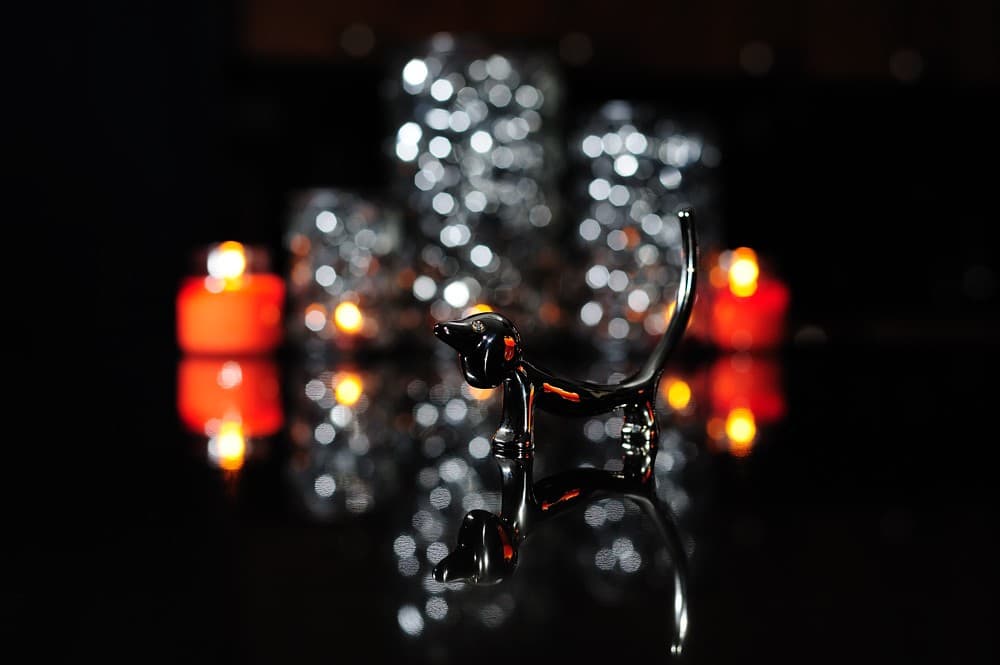
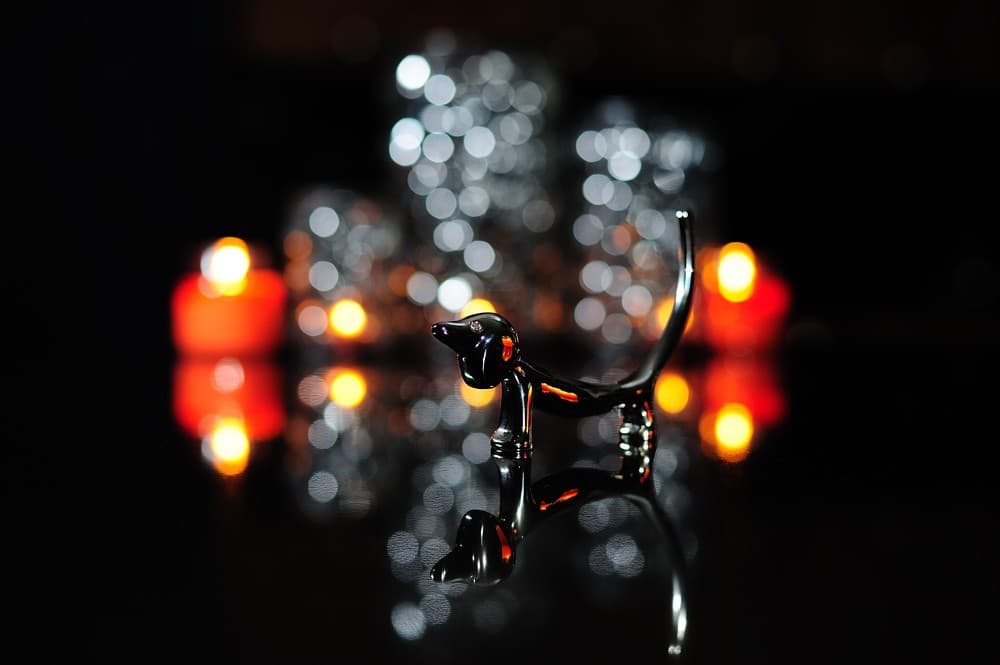
โดยทั่วไปแล้วจะมีความเรียบเนียนพร้อมกับการขีดเส้นที่อ่อนโยนบนจุดสว่างสะท้อน (specular highlights) พื้นที่ที่เบลอเป็นวงกลม (circular out-of-focus areas) และโซนการเปลี่ยนแปลงที่ค่อยเป็นค่อยไป (gradual transition zones) ซึ่งสร้างคุณภาพที่เหมือนงานศิลปะ (painterly quality)
พาเลตสีที่เป็นกลางถึงอบอุ่นเล็กน้อย พร้อมโทนสีผิวที่น่าพอใจ สีเหลืองและสีแดงที่เข้มข้น และสีน้ำเงินที่ควบคุมได้โดยไม่มีการเปลี่ยนแปลงไปในโทนสีไซยา
ความคมชัดที่ยอดเยี่ยมตรงกลางเมื่อเปิดรูรับแสงกว้าง ขอบภาพจะดีขึ้นเมื่อใช้รูรับแสง f/4 และจะให้ประสิทธิภาพสูงสุดที่ f/5.6-f/8 โดยมีความละเอียดที่สม่ำเสมอทั่วทั้งเฟรม
เวอร์ชันที่เคลือบเดี่ยวมีแนวโน้มที่จะเกิดแสงแฟลร์ที่ทำให้ภาพเบลอและการสะท้อนสีอบอุ่นในรูปแบบหลายเหลี่ยม; การใช้ฮูดโลหะที่เหมาะสมจะช่วยเพิ่มความต้านทานได้อย่างมาก.
คอนทราสต์ทั่วโลกอยู่ในระดับปานกลางเมื่อเปิดรูรับแสงกว้าง และจะเพิ่มขึ้นเมื่อปรับรูรับแสงแคบลง; มิโครคอนทราสต์ที่ยอดเยี่ยมช่วยให้การแยกวัตถุชัดเจนมากขึ้น
มีการลดแสงจากมุมที่เปิดกว้างในระดับปานกลางถึงสูง (1.5-2 สต็อป) แต่จะลดลงจนแทบไม่เหลือเมื่อใช้ที่ f/4 และมีผลกระทบน้อยมากบนเซ็นเซอร์ APS-C
เลนส์ Nikon Nikkor-S Non-AI เป็นข้อเสนอที่คุ้มค่าสำหรับช่างภาพที่มองหามรดกกระจกเลนส์ระดับพรีเมียมโดยไม่ต้องจ่ายราคาพรีเมียม เหมาะสำหรับผู้ใช้กล้องมิเรอร์เลสที่ชื่นชอบมือหมุนและต้องการลักษณะการถ่ายทอดแบบออร์แกนิกซึ่งต่างจากความสมบูรณ์แบบเชิงคลินิกของเลนส์ออโต้โฟกัสสมัยใหม่ ช่างภาพพอร์เทรต คนถ่ายสตรีทที่ยอมรับวิธีการที่ช้าลง และผู้ที่ให้คุณค่ากับกระบวนการทำภาพอย่างตั้งใจจะพบว่าเลนส์เหล่านี้ยิ่งให้รางวัล พวกมันไม่เหมาะนักสำหรับการถ่ายภาพที่ต้องการความเร็วสูง ผู้ที่ต้องการออโต้โฟกัส หรือผู้ถ่ายภาพส่วนใหญ่บน Nikon DSLRs ที่ไม่อยากทำการปรับแก้ AI สำหรับช่างภาพที่เข้าใจว่าความสมบูรณ์แบบทางเทคนิคและผลทางอารมณ์เป็นมาตรวัดคนละแบบ ซีรีส์ Nikkor-S ให้การเชื่อมต่อโดยตรงกับยุคที่เลนส์ถูกสร้างให้ใช้งานข้ามรุ่นและการออกแบบให้ความสำคัญกับลักษณะการถ่ายทอดควบคู่กับความละเอียด