ปีผลิต
1987
ผลิตที่
Japan (probable, OEM uncertain)
สูตรเลนส์
-
อัปเดต
4 ก.พ. 2569
Canon FD · 70mm · f/4.5
ปีผลิต
1987
ผลิตที่
Japan (probable, OEM uncertain)
สูตรเลนส์
-
อัปเดต
4 ก.พ. 2569
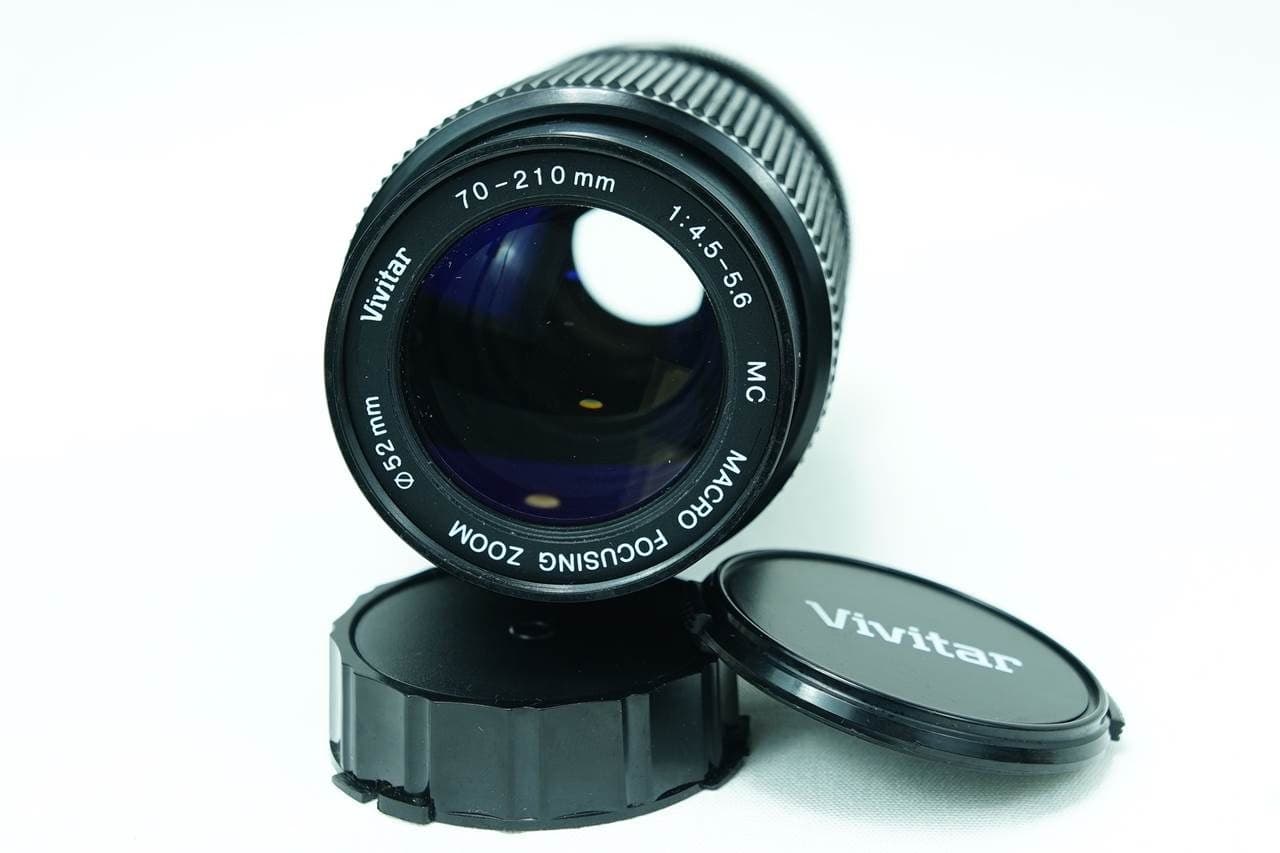
Vivitar 70-210mm f/4.5-5.6 Macro Focusing Zoom เป็นวิวัฒนาการสุดท้ายของกลยุทธ์เลนส์ซูมเทเลสำหรับผู้บริโภคของ Vivitar ในช่วงปลายทศวรรษ 1980 Vivitar บริษัทการตลาดสัญชาติอเมริกัน มีสำนักงานใหญ่ที่ซานตาโมนิกา รัฐแคลิฟอร์เนีย ไม่ได้ผลิตเลนส์ด้วยตัวเอง แต่จ้างผู้ผลิต OEM หลายราย ส่วนใหญ่ในญี่ปุ่นและเกาหลี ให้ผลิตออปติกภายใต้แบรนด์ Vivitar เลนส์รุ่นนี้อยู่ในสายทางเลือกงบประมาณแบบ 'Series 1' ออกแบบให้มีความยืดหยุ่นด้านระยะโฟกัสในราคาที่ก้าวร้าวมาก ในยุคที่ผู้ผลิตกล้องญี่ปุ่นกำลังก้าวหน้าในเทคโนโลยีออโต้โฟกัส เลนส์รุ่นนี้น่าจะผลิตโดย Cosina, Kiron (Kino Precision) หรือบางทีผู้ผลิตเกาหลีอย่าง Samyang แม้ว่าการยืนยันผู้ผลิต OEM ของรุ่นนี้ยังไม่ชัดเจน ต่างจากพี่น้อง Series 1 ที่มีชื่อเสียงและได้รับการยกย่อง (เช่น 70-210mm f/2.8-4 ที่ออกแบบโดย Kiron) เวอร์ชันรูรับแสงแปรผันนี้ถูกวางตำแหน่งเป็นตัวเลือกระดับเริ่มต้นสำหรับช่างภาพที่คำนึงถึงงบประมาณและต้องการอัพเกรดจากเลนส์คิท มันไม่มีชื่อเล่นที่เป็นที่ยอมรับในชุมชนถ่ายภาพและไม่พัฒนาเป็นเลนส์ที่มีผู้คลั่งไคล้ เลนส์นี้สะท้อนการประนีประนอมที่มีอยู่ในงานออกแบบซูมสำหรับผู้บริโภคในยุค 1980: ช่วงระยะโฟกัสสูงสุดกับต้นทุนต่ำสุด ซึ่งทำได้ด้วยสูตรทางออปติกที่เรียบง่ายและชิ้นส่วนโครงสร้างจากพลาสติก ขายในช่วงปีท้ายของยุคที่ความนิยมของมือหมุนยังสูงอยู่ เพียงก่อนที่ออโต้โฟกัสจะทำให้เลนส์ซูมมือหมุนของผู้ผลิตรายอื่นหลายรุ่นล้าสมัยไปในชั่วข้ามคืน
สรุป: Vivitar 70-210mm f/4.5-5.6 Macro Focusing Zoom เป็นเลนส์งบประมาณที่ซื่อสัตย์จากยุคแห่งการประนีประนอม—มันให้ช่วงเทเลที่ยอมรับได้แก่ช่างภาพที่ไม่สามารถซื้อเลนส์พรีเมียมได้ วันนี้มันเหมาะที่สุดเป็นทางเข้าแสนถูกสำหรับการถ่ายเทเลวินเทจสำหรับผู้เริ่มต้นอย่างจริงจัง เลนส์สำรอง หรือตัว 'บีทเตอร์' ใช้ในสภาพแวดล้อมขรุขระที่ไม่ควรเสี่ยงกับเลนส์ราคาแพง มูลค่าการสะสมแทบไม่มีและไม่ได้ให้การเรนเดอร์ที่โดดเด่นพอจะดึงดูดช่างภาพเชิงสร้างสรรค์ที่มองหาบุคลิกวินเทจ สำหรับผู้ที่ยอมจ่ายเพิ่มเพียงเล็กน้อย (ประมาณ $50-100) จะมีตัวเลือกที่เหนือกว่ามาก—รวมถึง Series 1 70-210mm f/2.8-4 ของ Vivitar เอง ซึ่งให้ประสิทธิภาพที่น่าสนใจอย่างแท้จริง เลนส์นี้เหมาะกับผู้ที่ต้องการช่วงเทเลในทันที ราคาถูก และไม่ผูกพันทางอารมณ์กับผลงาน
โบเก้ที่ไม่โดดเด่นและมักจะยุ่งเหยิง โดยมีจุดไฮไลต์รูปไข่เมื่อเปิดรูรับแสงกว้าง และจะกลายเป็นรูปหลายเหลี่ยมเมื่อปรับรูรับแสงแคบลง แสดงลักษณะที่ไม่มั่นคงเมื่อมีฉากหลังที่ซับซ้อน
การสร้างสีที่เป็นกลางถึงเย็นเล็กน้อยพร้อมความอิ่มตัวที่พอเหมาะ ขาดความเข้มข้นของการเคลือบคุณภาพสูง
ความคมชัดที่กลางภาพอยู่ในระดับที่ยอมรับได้ที่ระยะโฟกัสกลาง (100-135 มม.) เมื่อปรับรูรับแสงที่ f/8 แต่ภาพจะนุ่มนวลเมื่อเปิดรูรับแสงกว้าง และมุมภาพยังคงมีปัญหาแม้จะปรับรูรับแสงลงแล้ว
มีความต้านทานแสงแฟลร์ที่ไม่ดี โดยมีอาการภาพซ้อนที่เด่นชัดและแสงแฟลร์ที่ปกคลุมซึ่งทำให้ความคมชัดลดลงอย่างมากในสถานการณ์ที่มีแสงจากด้านหลัง
คอนทราสต์ต่ำถึงปานกลางเมื่อเปิดรูรับแสงกว้าง แต่จะดีขึ้นเมื่อปรับรูรับแสงลงไปที่ f/8-11 โดยมีไมโครคอนทราสต์ที่อ่อนแอตลอดทั้งภาพ
มีการเกิด vignetting ชัดเจนเมื่อเปิดรูรับแสงกว้างที่ทั้งสองขอบของการซูม อาจต้องการการแก้ไขมากกว่า 2 สต็อป ซึ่งจะดีขึ้นเมื่อใช้รูรับแสง f/8 แต่ไม่เคยหายไปหมดอย่างสมบูรณ์
อะแดปเตอร์จริงจากร้านที่ใช้กับเมาท์ของเลนส์นี้ได้
Standard · ฿540 · มีสินค้า
Standard · ฿540 · มีสินค้า
Standard · ฿540 · มีสินค้า
Standard · ฿1,250 · มีสินค้า
Premium · ฿1,200 · หมด
Standard · ฿890 · หมด
Standard · ฿890 · หมด
Standard · หมด
Standard · หมด
Standard · หมด
Vivitar 70-210mm f/4.5-5.6 Macro Focusing Zoom เป็นเลนส์งบประมาณที่ซื่อสัตย์จากยุคแห่งการประนีประนอม—มันให้ช่วงเทเลที่ยอมรับได้แก่ช่างภาพที่ไม่สามารถซื้อเลนส์พรีเมียมได้ วันนี้มันเหมาะที่สุดเป็นทางเข้าแสนถูกสำหรับการถ่ายเทเลวินเทจสำหรับผู้เริ่มต้นอย่างจริงจัง เลนส์สำรอง หรือตัว 'บีทเตอร์' ใช้ในสภาพแวดล้อมขรุขระที่ไม่ควรเสี่ยงกับเลนส์ราคาแพง มูลค่าการสะสมแทบไม่มีและไม่ได้ให้การเรนเดอร์ที่โดดเด่นพอจะดึงดูดช่างภาพเชิงสร้างสรรค์ที่มองหาบุคลิกวินเทจ สำหรับผู้ที่ยอมจ่ายเพิ่มเพียงเล็กน้อย (ประมาณ $50-100) จะมีตัวเลือกที่เหนือกว่ามาก—รวมถึง Series 1 70-210mm f/2.8-4 ของ Vivitar เอง ซึ่งให้ประสิทธิภาพที่น่าสนใจอย่างแท้จริง เลนส์นี้เหมาะกับผู้ที่ต้องการช่วงเทเลในทันที ราคาถูก และไม่ผูกพันทางอารมณ์กับผลงาน