ปีผลิต
1962 – 1971
ผลิตที่
Japan
สูตรเลนส์
8 elements in 6 groups, modified Planar-type with thorium oxide elements.
อัปเดต
4 ก.พ. 2569
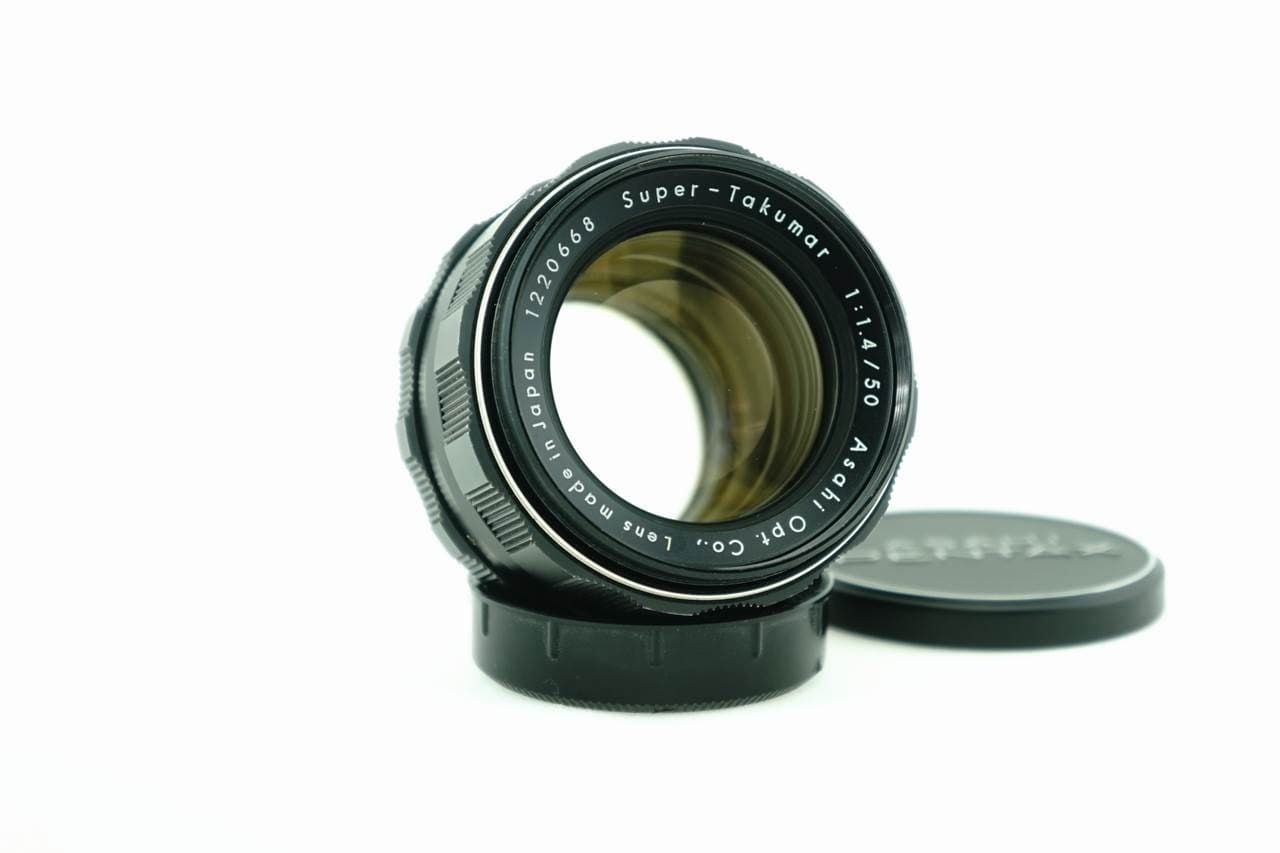
M42 · 50mm · f/1.4
ปีผลิต
1962 – 1971
ผลิตที่
Japan
สูตรเลนส์
8 elements in 6 groups, modified Planar-type with thorium oxide elements.
อัปเดต
4 ก.พ. 2569
The Takumar 8 Elements refers specifically to the Super-Takumar 50mm f/1.4 featuring an 8-element optical design, produced by Asahi Optical Co. (Pentax) from approximately 1962 to 1971. This lens represents the pinnacle of Takumar 50mm development and is distinct from the later 7-element version. Asahi Optical was competing directly with the German and Japanese optical giants of the era, and the 8-element design was their answer to achieving superior correction for a fast f/1.4 aperture. The lens is often referred to as the 'Radioactive Takumar' or simply '8-element Tak' within collector circles, owing to the thorium oxide used in the rear element group to achieve high refractive index glass for better aberration correction. This thorium content causes the glass to yellow over time, a characteristic that has become both infamous and beloved. The cult following stems from multiple factors: the perceived 'magical' rendering quality attributed to its radioactive elements, the exceptional build quality typical of golden-era Japanese manufacturing, and the distinctive warm-yet-creamy image character. Many photographers specifically seek out yellowed copies, believing the thorium glass contributes to the lens's unique rendering even after UV de-yellowing. The 8-element version is considered superior to the subsequent 7-element Super-Multi-Coated Takumar by many enthusiasts who prize its smoother bokeh and more 'organic' rendering.
สรุป: The 8-element Super-Takumar 50mm f/1.4 is essential for photographers seeking vintage character without sacrificing technical quality. It rewards those who appreciate manual focus craft and understand how to leverage its optical personality. Ideal for portrait photographers, street shooters seeking a filmic look, and collectors wanting a historically significant lens that remains highly practical. Not recommended for those requiring clinical perfection, fast autofocus, or maximum flare resistance. This lens represents the golden age of Japanese optics and delivers images with soul.
โบเก้ที่นุ่มนวลและครีมมี่จากรูรับแสง 8 ใบ ที่สร้างไฮไลท์เป็นรูปแปดเหลี่ยมเล็กน้อยเมื่อปรับลดรูรับแสง; การเปลี่ยนโฟกัสที่ค่อยเป็นค่อยไปซึ่งนุ่มนวลกว่ารุ่นที่มี 7 องค์ประกอบ.
มีความอบอุ่นที่โดดเด่นจากการเปลี่ยนสีเหลืองของธอเรียม โดยมีโทนสีอำพันและทองที่เข้มข้น สีแดงและโทนสีผิวถูกถ่ายทอดออกมาอย่างสวยงาม ขณะที่สีเขียวมีแนวโน้มไปทางสีมะกอก
ความคมชัดที่ยอดเยี่ยมที่กลางภาพแม้จะเปิดรูรับแสงกว้างที่ f/1.4 พร้อมกับความนุ่มนวลที่ช่วยเสริมให้ผิวดูดี; มุมภาพจะดีขึ้นเมื่อใช้ที่ f/2.8 และจะอยู่ในระดับสูงสุดที่ f/5.6-f/8.
เลนส์ที่มีชั้นเคลือบเดี่ยวจะมีความไวต่อการเกิดแสงสะท้อนและภาพซ้อนที่มีลักษณะเป็นรูปหลายเหลี่ยมสีม่วง/เขียว; การใช้ฮูดที่เหมาะสมเป็นสิ่งจำเป็นสำหรับการถ่ายภาพที่ควบคุมได้.
คอนทราสต์ทั่วโลกอยู่ในระดับปานกลางเมื่อเปิดรูรับแสงกว้าง และจะเพิ่มขึ้นอย่างมีนัยสำคัญเมื่อปรับรูรับแสงแคบลง; มีไมโครคอนทราสต์ที่ยอดเยี่ยมสำหรับยุคนั้น พร้อมกับการเก็บรายละเอียดในเงาที่ดี
มีการเกิด vignetting ที่ชัดเจนเมื่อเปิดรูรับแสงกว้าง (ประมาณ 1.5-2 สตอปที่มุม) ซึ่งจะถูกลดลงอย่างมากเมื่อใช้รูรับแสง f/2.8
อะแดปเตอร์จริงจากร้านที่ใช้กับเมาท์ของเลนส์นี้ได้
Standard · ฿325 · มีสินค้า
Standard · ฿325 · มีสินค้า
Standard · ฿325 · มีสินค้า
Standard · ฿325 · มีสินค้า
Standard · ฿540 · มีสินค้า
Standard · ฿540 · มีสินค้า
Standard · ฿540 · มีสินค้า
Standard · ฿540 · มีสินค้า
Standard · ฿1,250 · มีสินค้า
Standard · ฿890 · หมด
Standard · หมด
Standard · หมด
The 8-element Super-Takumar 50mm f/1.4 is essential for photographers seeking vintage character without sacrificing technical quality. It rewards those who appreciate manual focus craft and understand how to leverage its optical personality. Ideal for portrait photographers, street shooters seeking a filmic look, and collectors wanting a historically significant lens that remains highly practical. Not recommended for those requiring clinical perfection, fast autofocus, or maximum flare resistance. This lens represents the golden age of Japanese optics and delivers images with soul.