ปีผลิต
1977
ผลิตที่
Japan
สูตรเลนส์
9 elements in 9 groups
อัปเดต
3 ก.พ. 2569
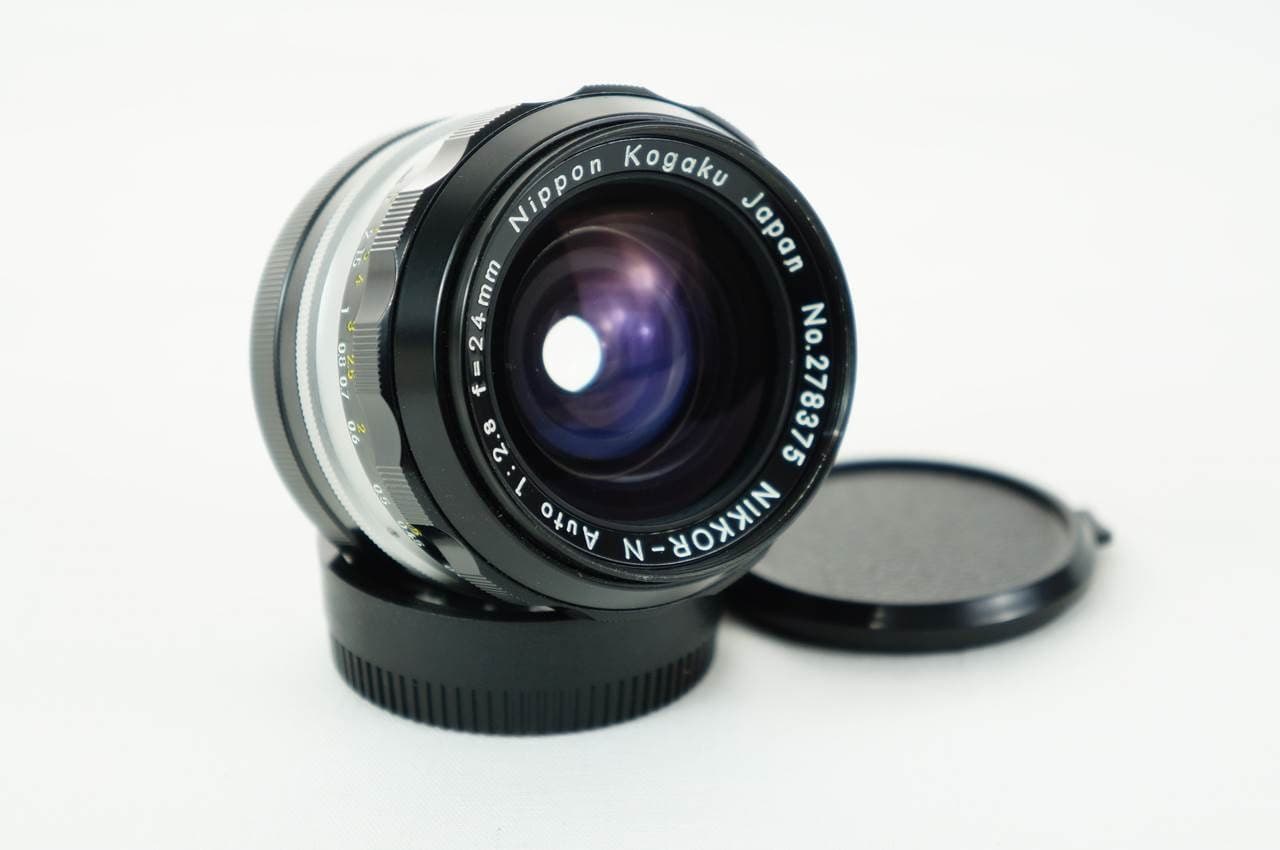
Nikon AI · 24mm · f/2.8
ปีผลิต
1977
ผลิตที่
Japan
สูตรเลนส์
9 elements in 9 groups
อัปเดต
3 ก.พ. 2569
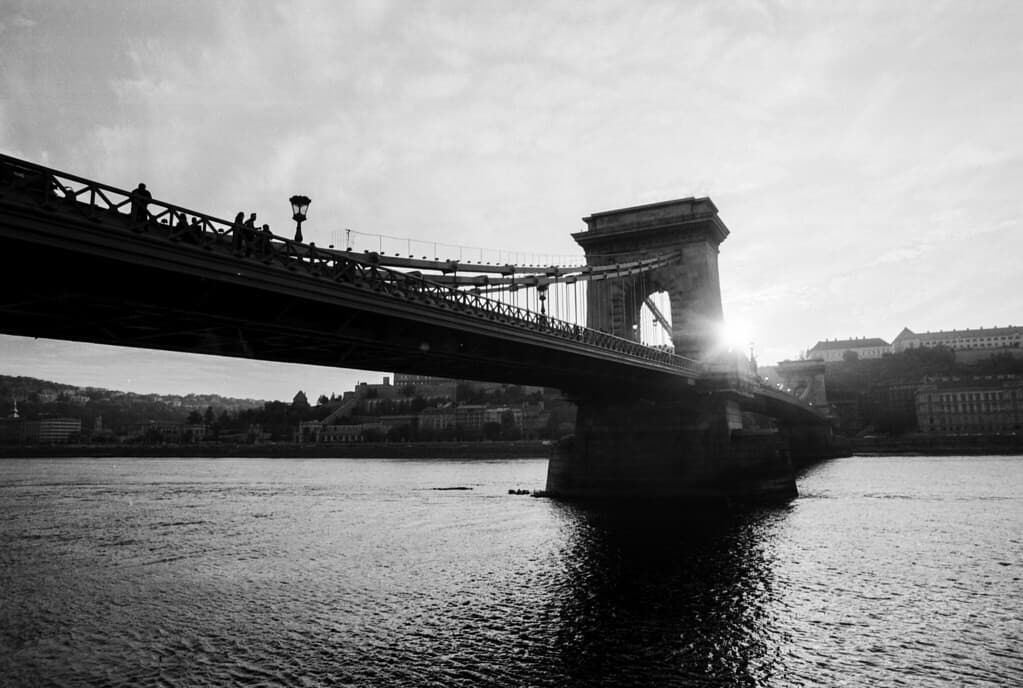
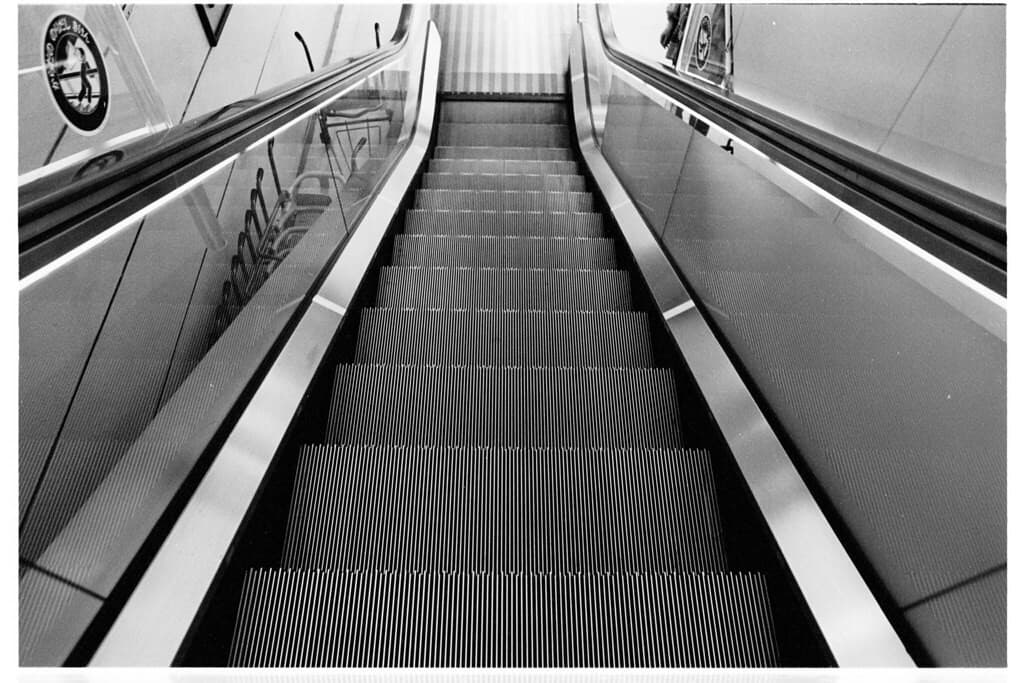
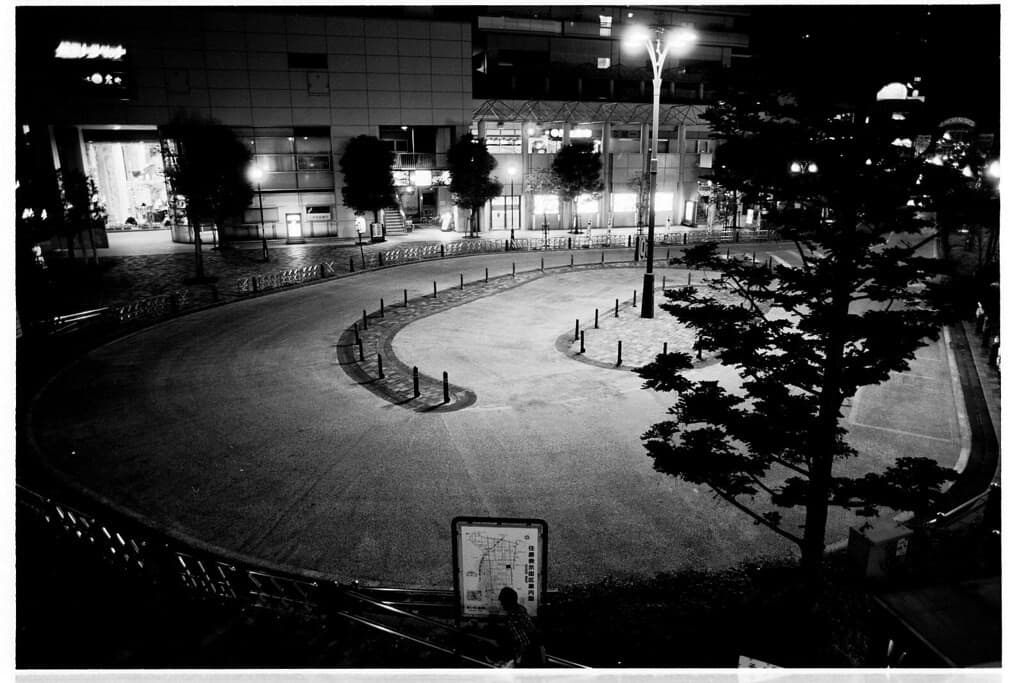
The Nikon Nikkor 24mm f/2.8 AI represents Nikon's commitment to professional-grade wide-angle optics during the golden era of manual focus photography. Introduced in 1977 as part of the AI (Automatic Indexing) system overhaul, this lens was a refinement of the earlier Non-AI version first released in 1967. The AI version brought the new meter coupling system that allowed for faster lens changes and more reliable exposure metering on Nikon bodies. This focal length was particularly significant for photojournalism, documentary work, and architectural photography during the 1970s and 1980s. The 24mm f/2.8 occupied a sweet spot in Nikon's lineup - wider than the popular 28mm but less extreme than the 20mm, offering a perspective that felt expansive without excessive distortion. While it never earned a specific community nickname like some legendary Nikkors, it developed a quiet but devoted following among street photographers and travel shooters who appreciated its compact size, excellent build quality, and the 'Nikon look' - that characteristic rendering that many describe as honest and clinical yet somehow pleasing. The lens represents the engineering philosophy of Nikon's Nippon Kogaku era: build it once, build it right, and make it last generations.
สรุป: The Nikon Nikkor 24mm f/2.8 AI is a workhorse wide-angle that excels in reliability, build quality, and honest rendering rather than optical fireworks or distinctive character. It is the ideal choice for photographers who value a tool that gets out of the way and delivers consistently competent results - documentary shooters, street photographers, and anyone building a practical vintage Nikon kit. Those seeking dreamy bokeh, extreme sharpness wide open, or distinctive vintage rendering should look elsewhere. But for the photographer who appreciates precision engineering, enjoys the tactile experience of manual focus, and wants a 24mm that will outlast them, this Nikkor remains a compelling choice decades after its introduction. It is not legendary, but it is exemplary of what Nikon did best during the manual focus era: build lenses that professionals could depend on, day after day, year after year.
โบเก้ที่มีฟังก์ชันมากกว่าความสวยงามจากรูรับแสง 7 ใบที่สร้างจุดไฮไลต์ที่มีลักษณะเป็นรูปหลายเหลี่ยมเล็กน้อย; มีความนุ่มนวลเมื่อเปิดกว้าง แต่สามารถแสดงความกระวนกระวายเมื่ออยู่กับพื้นหลังที่ซับซ้อน.
การสร้างสีที่เป็นกลางถึงอบอุ่นเล็กน้อยพร้อมกับความอิ่มตัวที่ถูกต้อง; สีแดงและสีเหลืองถูกถ่ายทอดอย่างแม่นยำ ในขณะที่สีน้ำเงินอาจดูจางลงเล็กน้อยเมื่อเปรียบเทียบกับการเคลือบสมัยใหม่
ความคมชัดที่ยอดเยี่ยมตรงกลางจากการเปิดรูรับแสงกว้าง; มุมภาพจะดีขึ้นอย่างมากที่ f/5.6-f/8 ซึ่งเป็นจุดสูงสุดทางออปติกของเลนส์; มุมภาพเมื่อเปิดรูรับแสงกว้างจะแสดงความนุ่มนวลที่เห็นได้ชัดในกล้องฟูลเฟรม.
การเคลือบ NIC สามารถจัดการกับแสงแฟลร์ได้อย่างเหมาะสมสำหรับเลนส์ในยุคนี้ แต่เมื่อมีแสงแดดตรง ๆ จะเกิดการสะท้อนสีเขียวและม่วงที่มองเห็นได้; การใช้ฮูด HN-1 เป็นสิ่งจำเป็นเพื่อให้ได้ประสิทธิภาพที่ดีที่สุด.
คอนทราสต์ทั่วโลกอยู่ในระดับปานกลางพร้อมกับไมโครคอนทราสต์ที่น่าพอใจ; มีการปรับปรุงอย่างมีนัยสำคัญที่ค่า f/5.6 ถึง f/8 ซึ่งทำให้รายละเอียดเล็กๆ มีความชัดเจนอย่างยอดเยี่ยม
มีการเกิด vignetting ที่ชัดเจนเมื่อเปิดรูรับแสงกว้างบนกล้องฟูลเฟรม (ประมาณ 1.5-2 สต็อปที่มุม) ซึ่งจะลดลงอย่างมากเมื่อใช้ f/4 และแทบจะหายไปเมื่อใช้ f/5.6
The Nikon Nikkor 24mm f/2.8 AI is a workhorse wide-angle that excels in reliability, build quality, and honest rendering rather than optical fireworks or distinctive character. It is the ideal choice for photographers who value a tool that gets out of the way and delivers consistently competent results - documentary shooters, street photographers, and anyone building a practical vintage Nikon kit. Those seeking dreamy bokeh, extreme sharpness wide open, or distinctive vintage rendering should look elsewhere. But for the photographer who appreciates precision engineering, enjoys the tactile experience of manual focus, and wants a 24mm that will outlast them, this Nikkor remains a compelling choice decades after its introduction. It is not legendary, but it is exemplary of what Nikon did best during the manual focus era: build lenses that professionals could depend on, day after day, year after year.