ปีผลิต
1950 – 1959
ผลิตที่
East Germany (DDR)
สูตรเลนส์
Tessar formula - 4 elements in 3 groups, designed by Paul Rudolph in 1902
อัปเดต
2 ก.พ. 2569
Exakta · 50mm · f/2.8
ปีผลิต
1950 – 1959
ผลิตที่
East Germany (DDR)
สูตรเลนส์
Tessar formula - 4 elements in 3 groups, designed by Paul Rudolph in 1902
อัปเดต
2 ก.พ. 2569
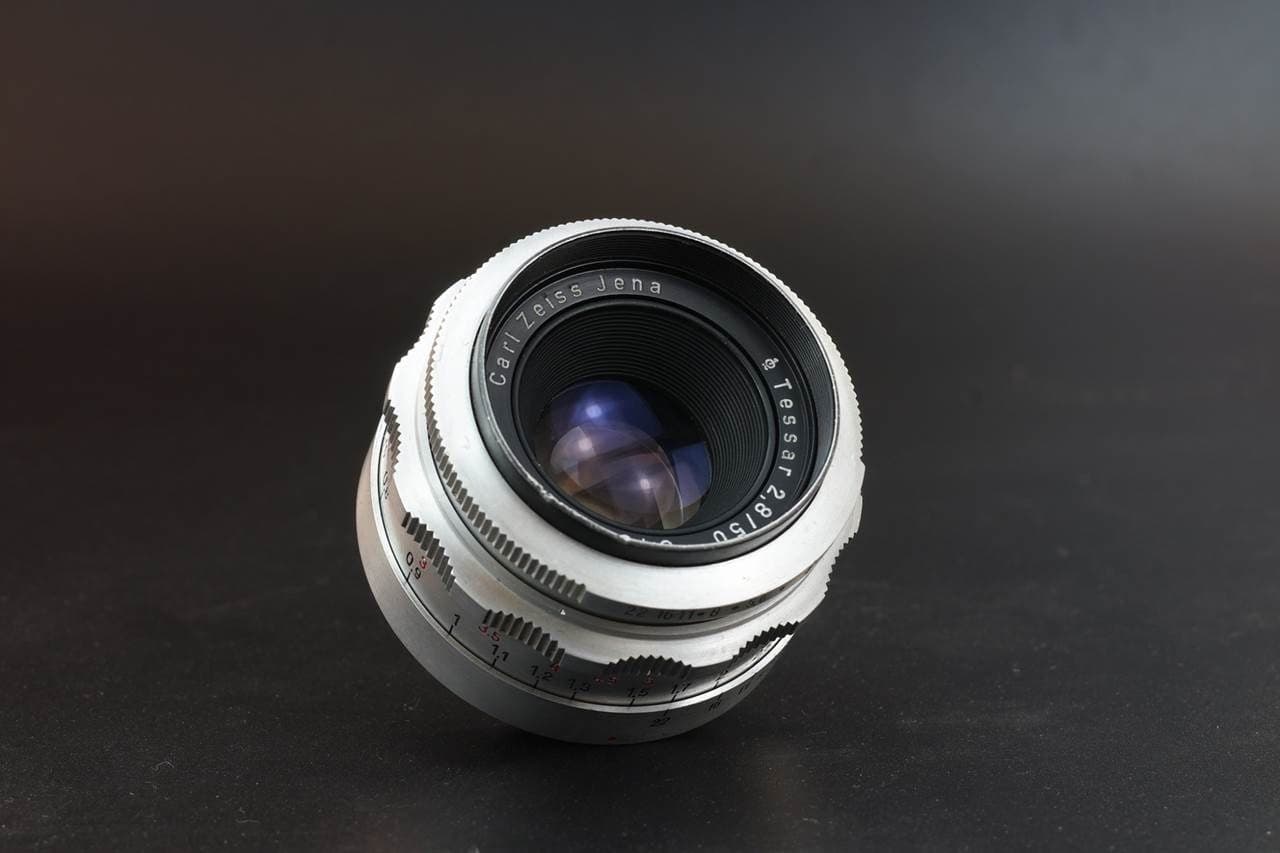
The Carl Zeiss Tessar 50mm f/2.8 with an 8-blade diaphragm in Exakta mount represents one of the most iconic optical formulas in photographic history, manufactured at the Carl Zeiss Jena works in East Germany during the post-WWII era. The Tessar design itself dates back to 1902, conceived by Paul Rudolph at Zeiss as a simplified evolution of his earlier Protar and Unar designs. The name 'Tessar' derives from the Greek 'tessares' meaning four, referencing its four-element optical construction. This silver-finished variant with 8 aperture blades was produced primarily in the 1950s for the legendary Ihagee Exakta cameras, which were the world's first successful 35mm SLRs. The Exakta-mount Tessars occupy a special place in collecting circles as they represent the golden age of German precision optics before the Zeiss split between East (Jena) and West (Oberkochen) fully solidified. The Tessar earned the legendary nickname 'The Eagle Eye' (Adlerauge) from Zeiss's own marketing, a testament to its renowned sharpness that became the benchmark for an entire generation of photographers. People love this lens for its historical significance, the tactile pleasure of the all-metal silver construction, and its remarkably sharp rendering that still holds up against modern optics when stopped down. The 8-blade diaphragm variant is particularly sought after as it produces more pleasing, rounded bokeh compared to the later 6-blade and 5-blade versions.
สรุป: The Carl Zeiss Tessar 50mm f/2.8 with 8 aperture blades in Exakta mount is a historically significant lens that delivers genuinely excellent optical performance within its design parameters. It is ideal for photographers who appreciate the tactile beauty of classic German optics, seek the legendary Tessar sharpness for documentary or landscape work, and understand that its strengths emerge when stopped down. This is not a lens for those requiring fast apertures or clinical modern rendering, but for the photographer who values character, history, and the organic rendering of a design that has influenced optical engineering for over a century. It serves as both a capable working tool and a tangible connection to the golden age of German precision manufacturing.
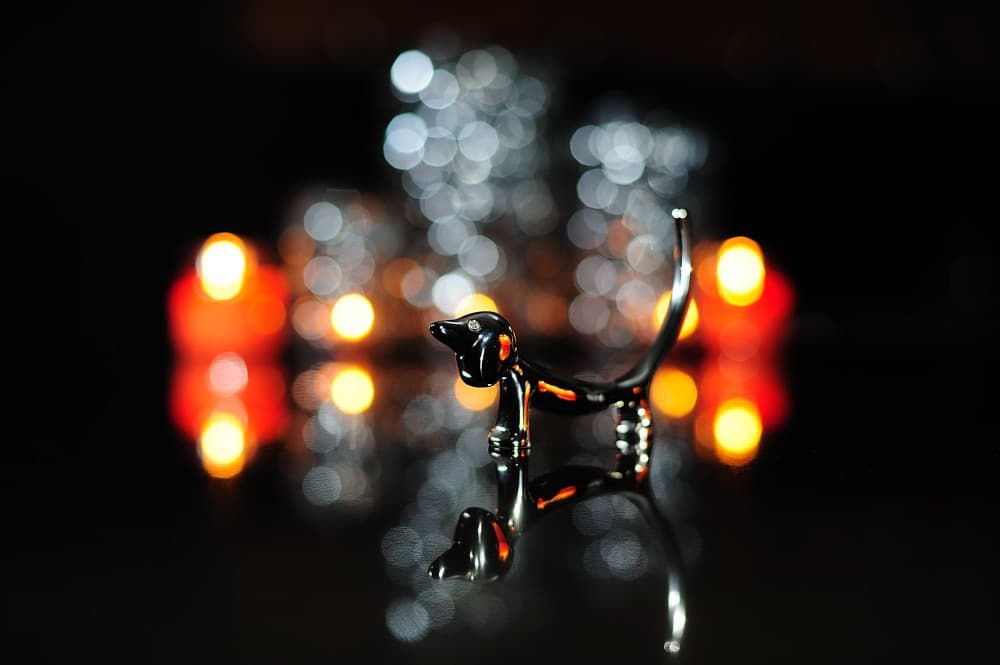
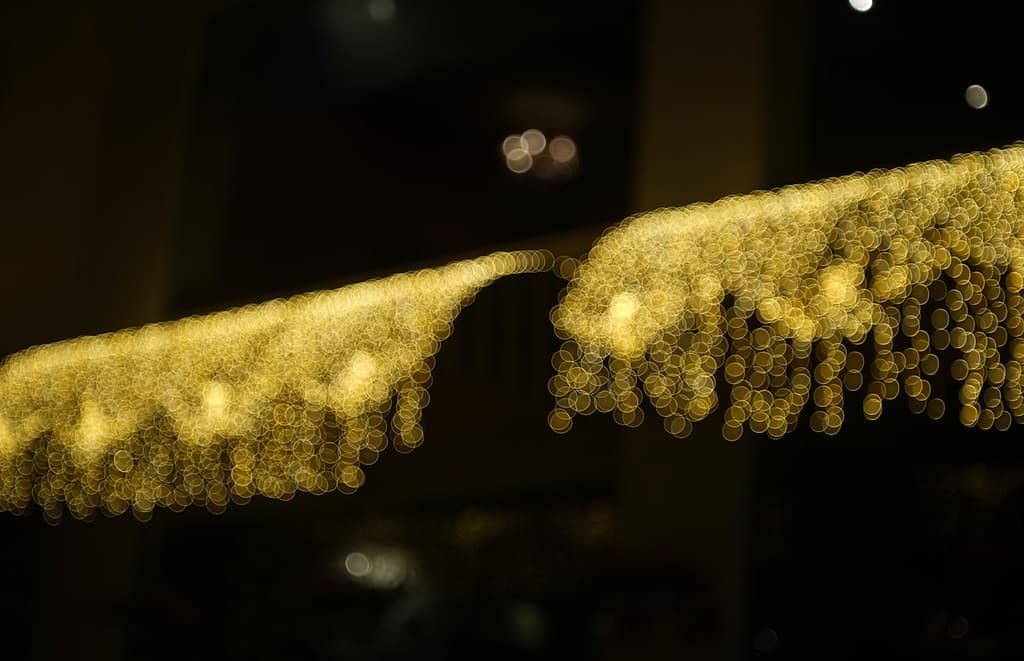
รูรับแสง 8 ใบมีดสร้างไฮไลต์นอกโฟกัสที่เรียบเนียนและเกือบจะเป็นวงกลม; โบเก้มีความสงบและไม่เด่นชัด แทนที่จะเป็นแบบครีม มีความตื่นเต้นเล็กน้อยในขอบที่มีความแตกต่างสูง.
การเรนเดอร์ที่เป็นกลางถึงอบอุ่นเล็กน้อยพร้อมการสร้างโทนสีที่ถูกต้อง; รุ่นที่เคลือบเดี่ยวจะแสดงสีเหลืองอำพันที่ละเอียดอ่อน โดยมีสีน้ำเงินและสีเขียวที่แม่นยำเป็นพิเศษ
ความคมชัดที่กลางภาพยอดเยี่ยมตั้งแต่ f/4 และยอดเยี่ยมยิ่งขึ้นตั้งแต่ f/5.6 ถึง f/11 ซึ่งสอดคล้องกับชื่อเสียง 'Eagle Eye' โดยที่เปิดกว้างสุดนั้นให้ผลลัพธ์ที่ดีแต่ไม่โดดเด่น โดยมีการเบลอที่มุมภาพเล็กน้อย
รุ่นที่เคลือบชั้นเดียวหรือไม่มีการเคลือบจะมีความไวต่อการเกิดแสงแฟลร์และการสูญเสียคอนทราสต์เมื่อถ่ายภาพในแสงที่แรง โดยจะมีการเกิดภาพซ้อนที่ปรากฏเป็นอาร์ติแฟกต์ที่นุ่มนวลและมีสีอบอุ่น
ความคอนทราสต์ทั่วโลกอยู่ในระดับปานกลางพร้อมกับไมโครคอนทราสต์ที่ยอดเยี่ยมเมื่อปรับรูรับแสงลง; เมื่อเปิดกว้างเต็มที่ ความคอนทราสต์จะลดลง โดยจะมีคอนทราสต์สูงสุดระหว่าง f/5.6 ถึง f/11.
มีการเว้าเล็กน้อยที่มุมเมื่อเปิดรูรับแสงที่ f/2.8 (ประมาณ 1-1.5 สต็อปที่มุม) ซึ่งลดลงอย่างรวดเร็วเมื่อปรับรูรับแสงแคบลงและแทบจะไม่มีผลเมื่ออยู่ที่ f/5.6
อะแดปเตอร์จริงจากร้านที่ใช้กับเมาท์ของเลนส์นี้ได้
Standard · ฿785 · มีสินค้า
The Carl Zeiss Tessar 50mm f/2.8 with 8 aperture blades in Exakta mount is a historically significant lens that delivers genuinely excellent optical performance within its design parameters. It is ideal for photographers who appreciate the tactile beauty of classic German optics, seek the legendary Tessar sharpness for documentary or landscape work, and understand that its strengths emerge when stopped down. This is not a lens for those requiring fast apertures or clinical modern rendering, but for the photographer who values character, history, and the organic rendering of a design that has influenced optical engineering for over a century. It serves as both a capable working tool and a tangible connection to the golden age of German precision manufacturing.