ปีผลิต
1973 – 1977
ผลิตที่
Japan
สูตรเลนส์
7 elements in 5 groups
อัปเดต
18 ก.ค. 2569
Minolta MD (SR mount) · 50mm · f/1.4
ปีผลิต
1973 – 1977
ผลิตที่
Japan
สูตรเลนส์
7 elements in 5 groups
อัปเดต
18 ก.ค. 2569
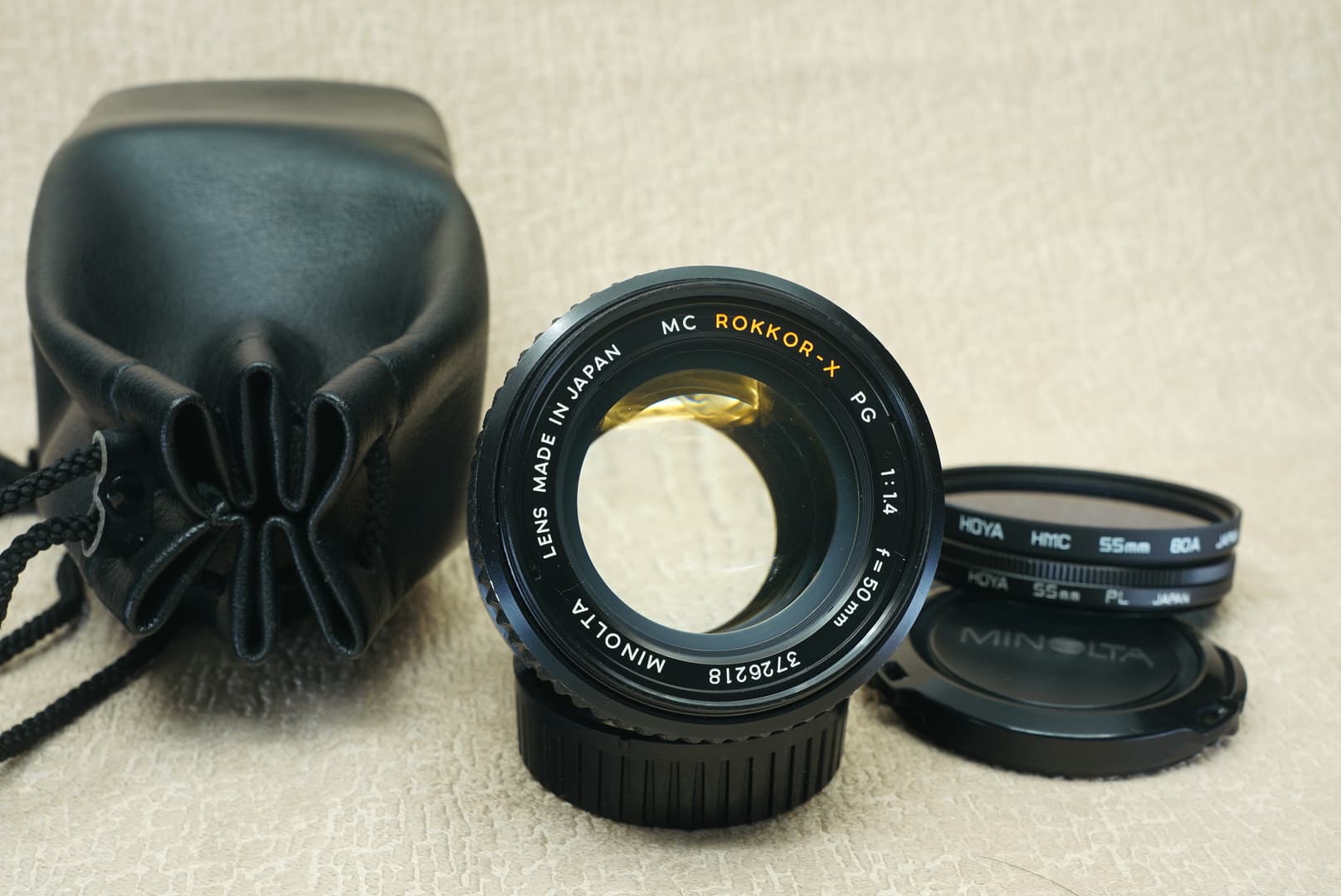
The Minolta MC Rokkor-X PG 50mm f/1.4 arrived in 1973 as Minolta's first 50mm f/1.4 — the company had previously only offered a 58mm f/1.4 above the standard fifties. The 'PG' suffix stands for Penta Group, denoting its 7-elements-in-5-groups optical formula, a classic double-Gauss-derived layout shared by many fast fifties of the era. It stayed in production until 1977, when it was succeeded by the lighter, shorter MD 50mm f/1.4 with a revised 6-group design and a smaller 49mm filter thread. In 1974, North American copies gained the orange 'ROKKOR-X' badge and a red plastic bead replaced the painted red index dot; despite persistent belief that ROKKOR-X copies are rarer or optically superior, direct comparisons show the optics are identical to worldwide ROKKOR-marked versions. The lens carries a reputation so strong that, as one reviewer put it, even younger and more modern fifties 'hide in the shadow of this MC,' and it is sometimes called the 'small sister' of the legendary MC Rokkor-PG 58mm f/1.2. Its cult following rests on that standing: a beautifully built, all-metal fast fifty from Minolta's golden era that delivers genuinely good performance at f/1.4 for very little money.
สรุป: Buy this lens if you want a fast fifty that is honest about being from 1973: sharp in the center wide open, rich in color, and full of outlined, cat's-eye character in its blur — wrapped in one of the best-built barrels of the manual-focus era, for the price of a few rolls of film. Modern lenses are sharper across the frame and far better corrected, but they don't give you this lens's combination of dense metal craftsmanship and a rendering that actually changes personality as you stop down. You should not buy it if you shoot into the light often — its flare resistance is genuinely poor — if you demand smooth, neutral bokeh, or if clean corners at wide apertures matter to you; in those cases a modern 50mm will serve you better. For everyone else, this is the classic Minolta entry point: shoot it wide open, shade the front element, and enjoy what made people fall for Rokkor glass in the first place.
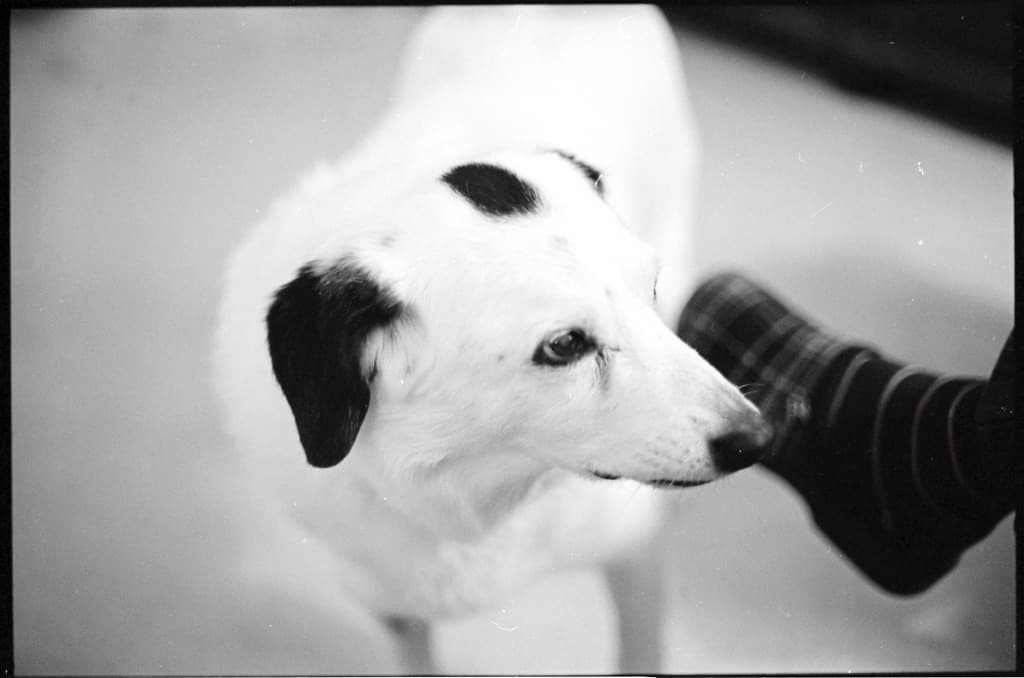
โบเก้มีเอกลักษณ์ โดยมีขอบชัดเด่นบนวงเบลอและมีรูปตาแมวเด่นบริเวณมุมภาพที่ f/1.4; ใบม่านรูรับแสง 6 ใบ ทำให้ไฮไลต์เป็นรูปหกเหลี่ยมเมื่อหรี่รูรับแสง
ให้สีอิ่มตัวและน่าพอใจ โทนสีมีเอกลักษณ์ของ Minolta ซึ่งหลายคนบรรยายว่าน่าทึ่ง
ความคมชัดกลางภาพดีตั้งแต่ f/1.4 ถึง f/5.6; คมทั้งภาพที่ f/8–f/11; มุมภาพเมื่อเปิดกว้างสุดค่อนข้างอ่อน
ทนต่อแฟลร์ไม่ดี เกิดเงาซ้อนได้ง่าย และมีแฟลร์แบบคลุมภาพที่ชะล้างคอนทราสต์ แม้ใส่ฮู๊ดก็ยังเกิด
มีไมโครคอนทราสต์ดีในกลางภาพเมื่อเปิดกว้างสุด แต่คอนทราสต์โดยรวมยุบตัวเร็วเมื่อมีแสงรบกวน
ขอบดำชัดที่ f/1.4, ลดลงแต่ยังสังเกตเห็นได้ที่ f/2, ไม่เป็นปัญหาตั้งแต่ f/2.8 ขึ้นไป
อะแดปเตอร์จริงจากร้านที่ใช้กับเมาท์ของเลนส์นี้ได้
Standard · ฿540 · มีสินค้า
Standard · ฿540 · มีสินค้า
Standard · ฿540 · มีสินค้า
Standard · ฿1,250 · มีสินค้า
Standard · ฿890 · หมด
Standard · หมด
Standard · หมด
Buy this lens if you want a fast fifty that is honest about being from 1973: sharp in the center wide open, rich in color, and full of outlined, cat's-eye character in its blur — wrapped in one of the best-built barrels of the manual-focus era, for the price of a few rolls of film. Modern lenses are sharper across the frame and far better corrected, but they don't give you this lens's combination of dense metal craftsmanship and a rendering that actually changes personality as you stop down. You should not buy it if you shoot into the light often — its flare resistance is genuinely poor — if you demand smooth, neutral bokeh, or if clean corners at wide apertures matter to you; in those cases a modern 50mm will serve you better. For everyone else, this is the classic Minolta entry point: shoot it wide open, shade the front element, and enjoy what made people fall for Rokkor glass in the first place.