ปีผลิต
-
ผลิตที่
-
สูตรเลนส์
-
อัปเดต
1 ก.ค. 2569
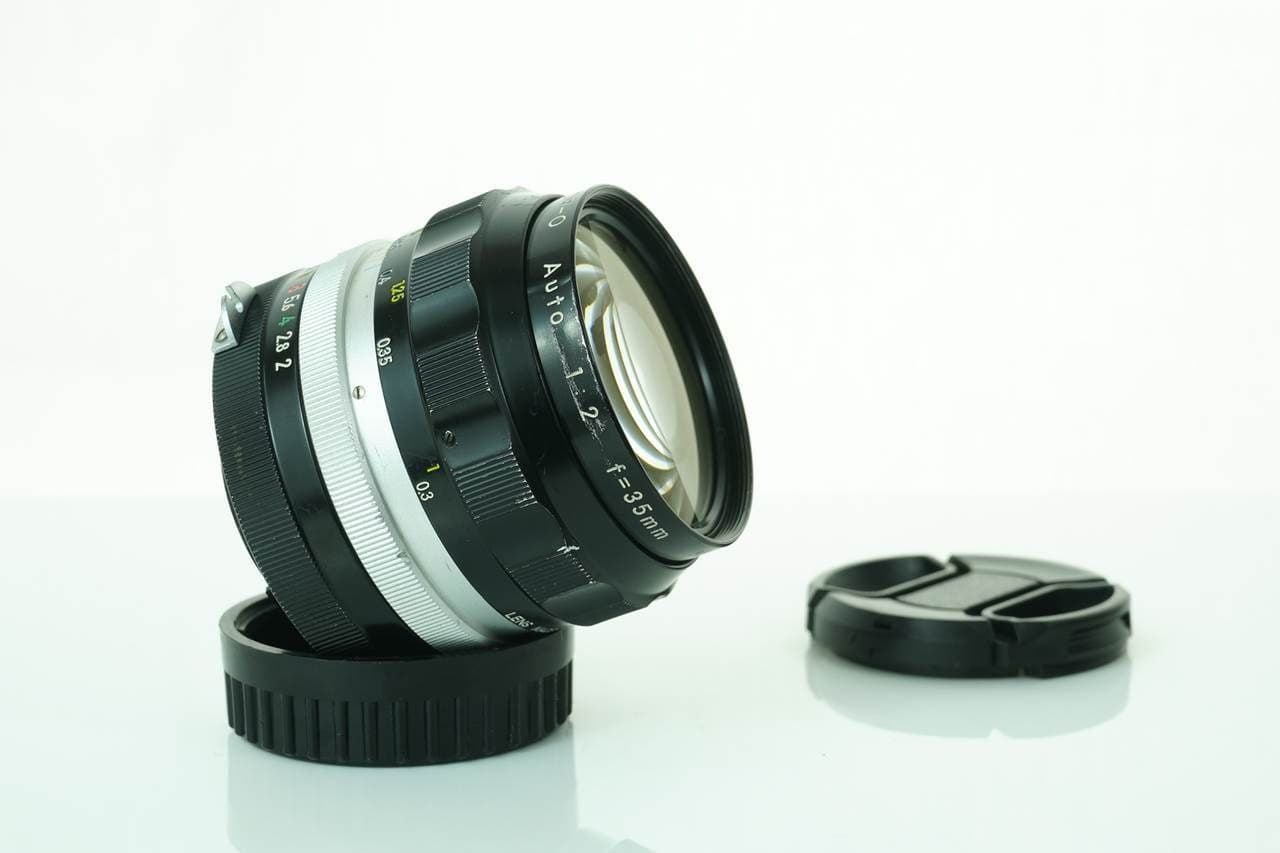
Nikon Non-AI · 35mm · f/2
ปีผลิต
-
ผลิตที่
-
สูตรเลนส์
-
อัปเดต
1 ก.ค. 2569
บทวิจารณ์ที่ให้มาไม่ได้ครอบคลุมรุ่น Nikon 35mm f/2 ในเมาท์ Non-AI โดยตรง ดังนั้นบริบทการพัฒนาทางประวัติศาสตร์เฉพาะของเลนส์ตัวนี้จึงยังไม่เป็นที่ทราบมากนัก หนึ่งบทวิจารณ์กล่าวถึง Nikon 35mm f/2 AF-D ซึ่งเป็นเลนส์ออโต้โฟกัสสำหรับฟูลเฟรมที่ออกในปี 1995 ราคาต่ำกว่า $400 และได้รับการยกย่องว่าเล็ก เบา และพกพาสะดวก เหมาะสำหรับการถ่ายภาพท่องเที่ยวและสตรีท บทวิจารณ์อีกชิ้นกล่าวถึงเลนส์ที่เกี่ยวข้องแต่ต่างกันคือ Nikkor 35mm f/2.8 ซึ่งเป็นเลนส์มุมกว้างขนาดเล็กที่ตัวถังเป็นโลหะและชิ้นเลนส์ ผลิตออกมาในสี่เวอร์ชันออปติกระหว่างปี 1959 ถึง 1989 ไม่มีชื่อเล่นหรือศัพท์เฉพาะชุมชนสำหรับ 35mm f/2 ปรากฏในบทวิจารณ์เหล่านี้ จึงไม่ได้ระบุไว้ จุดดึงดูดแบบเฉพาะกลุ่มที่บทวิจารณ์ชี้ถึงจะเน้นที่ขนาดกะทัดรัด ราคาต่ำ และคุณภาพภาพที่มั่นคง มากกว่าจะเป็นลายเซ็นทางออปติกที่เลื่องลือนัก.
สรุป: โดยพิจารณาตามบทวิจารณ์ที่ให้มาอย่างเคร่งครัด Nikon 35mm f/2 (ในรูปแบบ AF-D ที่รีวิว) เป็นเลนส์ไพรม์ 35mm ขนาดกะทัดรัด ราคาจับต้องได้ และมีคุณภาพการผลิตดี เหมาะสำหรับช่างภาพท่องเที่ยวและสตรีทที่ให้ความสำคัญกับขนาดเล็กและราคาต่ำมากกว่าการมีซีลกันสภาพอากาศ ลักษณะทางออปติกเฉพาะของรุ่น Non-AI f/2 ไม่ได้ถูกบันทึกไว้ในบทวิจารณ์เหล่านี้ ดังนั้นผู้ซื้อที่ต้องการรายละเอียดการเรนเดอร์ควรไปหาข้อมูลจากแหล่งที่มาที่เจาะจงมากกว่า
อะแดปเตอร์จริงจากร้านที่ใช้กับเมาท์ของเลนส์นี้ได้
Standard · ฿325 · มีสินค้า
Standard · ฿385 · มีสินค้า
โดยพิจารณาตามบทวิจารณ์ที่ให้มาอย่างเคร่งครัด Nikon 35mm f/2 (ในรูปแบบ AF-D ที่รีวิว) เป็นเลนส์ไพรม์ 35mm ขนาดกะทัดรัด ราคาจับต้องได้ และมีคุณภาพการผลิตดี เหมาะสำหรับช่างภาพท่องเที่ยวและสตรีทที่ให้ความสำคัญกับขนาดเล็กและราคาต่ำมากกว่าการมีซีลกันสภาพอากาศ ลักษณะทางออปติกเฉพาะของรุ่น Non-AI f/2 ไม่ได้ถูกบันทึกไว้ในบทวิจารณ์เหล่านี้ ดังนั้นผู้ซื้อที่ต้องการรายละเอียดการเรนเดอร์ควรไปหาข้อมูลจากแหล่งที่มาที่เจาะจงมากกว่า