เลนส์วินเทจทุกตัวมี “ลายนิ้วมือ” ของตัวเอง — วิธีวาดภาพโลกที่ไม่มีเลนส์รุ่นไหนเหมือนกัน Character Playbook ตอนแรกนี้จะพาไปรู้จักคาแรกเตอร์พื้นฐาน: ลุคที่ทำให้คนหลงรักเลนส์เก่าตั้งแต่แรกเห็น ว่าแต่ละอย่างเกิดจากอะไร เลนส์รุ่นไหนให้ลุคนั้น ถ่ายอย่างไรให้ได้ผล และเราอธิบายมันอย่างตรงไปตรงมาเวลาจัดเกรด
1. โบเก้หมุนวน (Swirly bokeh) — ลุคของ Helios


โบเก้หมุนวนคือคาแรกเตอร์ที่ทำให้คนตัดสินใจซื้อเลนส์วินเทจนับไม่ถ้วน จุดไฮไลต์นอกโฟกัสบริเวณขอบภาพจะยืดและหมุนวนรอบตัวแบบ ทำให้ฉากหลังที่รกกลายเป็นวังวนที่ดึงสายตาเข้าหาตรงกลาง มันเกิดจาก ความโค้งของระนาบโฟกัส (field curvature) ที่ยังแก้ไม่หมด ในดีไซน์ double-Gauss รุ่นเก่า (Zeiss Biotar และ Helios ที่ก๊อปมา) รวมกับ optical vignetting ที่บีบวงเบลอบริเวณขอบให้เป็นรูปตาแมวเอียงไปทางเดียวกัน — สายตาเราจึงอ่านวงรีเอียง ๆ เรียงเป็นวงว่าเป็น “การหมุน” มันเป็นปรากฏการณ์เชิงแสงจริง ฟิลเตอร์ “swirl” ในซอฟต์แวร์จึงเลียนแบบให้เนียนไม่ได้
เลนส์ที่ควรมองหา: Helios 44-2 / 44M 58mm f/2 (ราคาถูก หาง่าย เป็นตัวเริ่มต้น) และตัวที่ดุกว่าอย่าง Helios 40-2 85mm f/1.5; ต้นฉบับที่ถูกก๊อปอย่าง Zeiss Biotar 58mm f/2 และ Biotar 75mm f/1.5; Meyer-Optik Primoplan 58mm f/1.9; และ Jupiter-9 85mm f/2 สำหรับการหมุนที่นุ่มกว่า โบเก้หมุนวนจะชัดที่สุดตอนเปิดรูรับแสงกว้างสุด และจางลงเมื่อหรี่
2. โบเก้ฟองสบู่ (Soap-bubble) — ลายเซ็นของ Trioplan
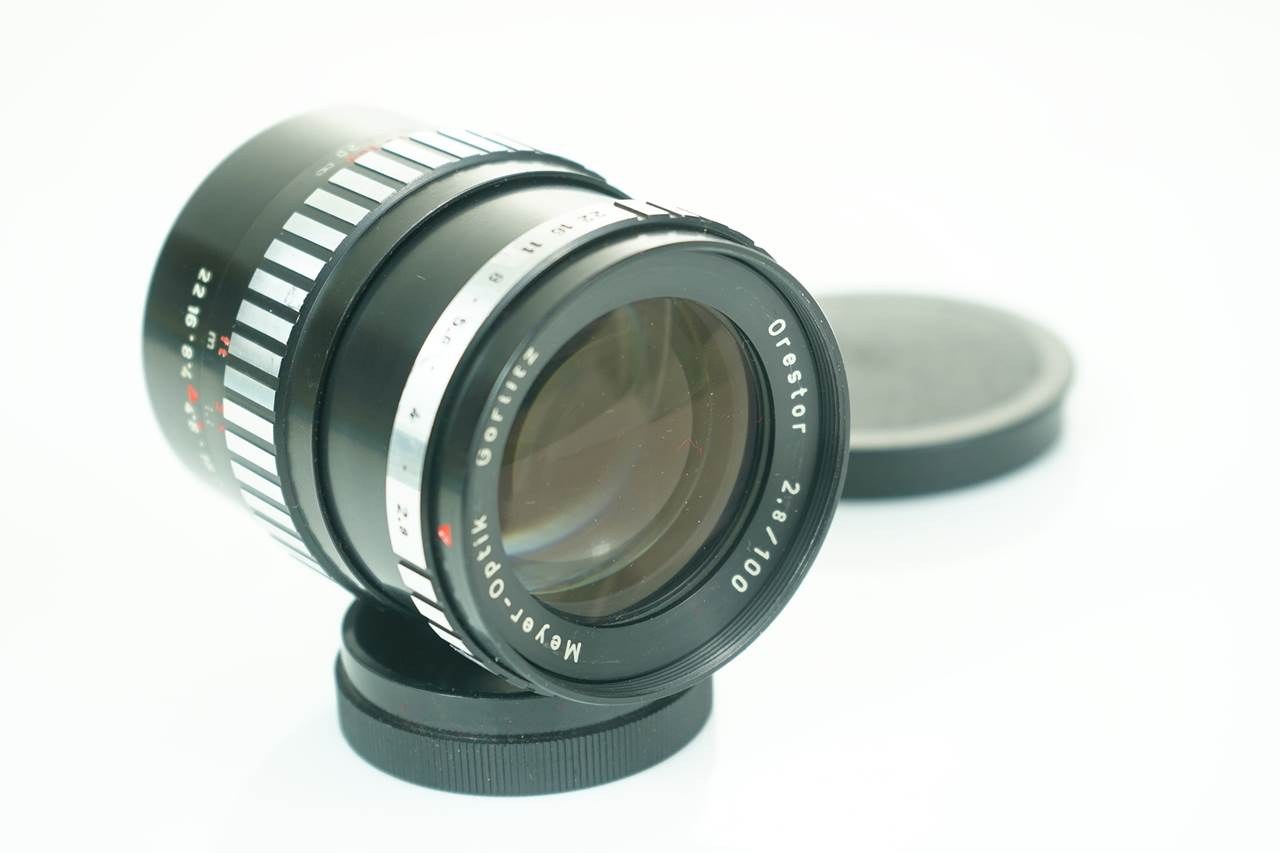
โบเก้ฟองสบู่ทำให้จุดไฮไลต์นอกโฟกัสแต่ละจุดเป็นวงกลมที่มี ขอบสว่างชัด และตรงกลางกลวงเล็กน้อย — เหมือนทุ่งฟองสบู่ระยิบระยับ มันเป็นการแก้ที่ตรงข้ามกับเลนส์โบเก้เนียน: ความคลาดทรงกลม (spherical aberration) ที่แก้เกิน ผลักพลังงานแสงไปที่ขอบวงเบลอแทนที่จะเป็นตรงกลาง ต่างจากโดนัทของเลนส์กระจก (ที่เป็นรูจริงจากการบังทางกายภาพ) ตรงกลางของฟองสบู่ยังมีเนื้ออยู่ เพียงแต่หม่นกว่าขอบที่เรืองแสง
เลนส์ที่ควรมองหา: Meyer-Optik Trioplan 100mm f/2.8 ในตำนาน และน้องเล็ก Trioplan 50mm f/2.9; Meyer Primotar; และดีไซน์ triplet เรียบ ๆ ทั่วไป ลุคนี้จะเป็นเทศกาลฟองสบู่ตอนเปิดกว้างสุด และสงบลงเมื่อหรี่เกิน f/4
วิธีถ่าย: ต้องมีจุดไฮไลต์แยกกันในฉากหลัง — แสงแดดกระทบผิวน้ำ หยดน้ำค้างบนใยแมงมุม ใบไม้ย้อนแสง หรือสายไฟประดับ — แล้วเปิดกว้างสุด ถ้าไม่มีจุดสว่าง ก็ไม่มีฟอง เลนส์ตัวเดิมถ่ายฉากหลังเรียบ ๆ ก็จะดูแค่นุ่มและมีเสน่ห์เฉย ๆ
3. โบเก้เนียนนุ่ม (Creamy & smooth) — พื้นฐานที่เงียบแต่ทรงพลัง
ไม่ใช่ทุกคาแรกเตอร์ที่ต้องดัง คาแรกเตอร์ที่คนตามหามากที่สุดคือ “โบเก้ดี” ซึ่งแท้จริงคือ การไม่มี ความกระด้าง: พื้นที่นอกโฟกัสละลายเป็นเนื้อเดียวอย่างเนียนเรียบ วงไฮไลต์สะอาดไร้ขอบ และการไล่จากคมไปเบลออย่างนุ่มนวล มันเกิดจาก การแก้ความคลาดทรงกลมที่สมดุล ม่านรูรับแสงกลีบโค้งที่คงความกลมของไฮไลต์เมื่อหรี่ และเพราะเป็นกระจกทรงกลมล้วนแบบเก่า จึงไม่มีลาย “วงหัวหอม” (onion-ring) จากชิ้นเลนส์แอสเฟียริก
เลนส์ที่ควรมองหา: ตระกูล Sonnar และเลนส์ 50mm ไวแสงสาย Sonnar (ความเนียนคือจุดเด่นของ Sonnar) เลนส์ Takumar คลาสสิก และเลนส์ double-Gauss สาย Planar ที่แก้ดี ทดสอบด้วยการถ่าย “bokeh ball” มาตรฐาน (ไฟประดับ เปิดกว้างสุด) เห็นผลในเฟรมเดียว
4. ความฟุ้งละมุน (Dreamy glow) — ความนุ่มแบบวินเทจ
ถ่ายเลนส์ไวแสงวินเทจแบบเปิดกว้างสุดย้อนแสง จะมีแสง ฟุ้ง นุ่ม ๆ เรืองออกมาจากไฮไลต์ คอนทราสต์ลดลง ทั้งเฟรมได้ฟีลหมอกละมุนแบบฟิล์ม — แล้วพอหรี่ลงสักหนึ่งถึงสองสตอป เลนส์ตัวเดิมก็คมขึ้นทันที ความสองบุคลิก “ฟุ้งตอนเปิดกว้าง คมตอนหรี่” นี้คือ ความคลาดทรงกลมที่แก้ไม่เต็ม บวกกับการเคลือบผิวที่อ่อน (หรือไม่มี) ในกระจกเก่าที่ปล่อยแสงฟุ้งเล็ดลอดออกมา สายพอร์ตเทรตชอบมันเพราะให้ผิวสวย มันเป็นฟีเจอร์ ไม่ใช่ตำหนิ แต่ขึ้นกับแต่ละตัว เราจึงระบุเมื่อเลนส์ตัวไหนฟุ้งแรงเป็นพิเศษ
เลนส์ที่ควรมองหา: เลนส์ 50mm ไวแสงส่วนใหญ่เมื่อเปิดกว้างสุด เลนส์ ไม่เคลือบหรือเคลือบชั้นเดียว ยุคก่อนและหลังสงครามต้น ๆ เลนส์พอร์ตเทรตซอฟต์โฟกัสโดยเฉพาะ และเลนส์ Sonnar ไวแสงหรือ Canon 50mm f/0.95 / กระจกไวแสงสายเรนจ์ไฟน์เดอร์ ช่างภาพยนตร์ตามหา “halation และ bloom” นี้อย่างตั้งใจ
5. มิติเด้ง (3D pop) กับไมโครคอนทราสต์ — ตัวแบบลอยเด่น
“3D pop” คือความรู้สึกว่าตัวแบบลอยเด่นออกจากฉากหลังราวกับถูกตัดยกมาไว้ข้างหน้า แม้บนเซนเซอร์แบน ๆ มันไม่ใช่เวทมนตร์และไม่ใช่แค่ระยะชัดตื้น แต่มาจาก ไมโครคอนทราสต์ ที่สูง (การเก็บรายละเอียดโทนละเอียดที่อธิบายพื้นผิวและขอบ) คู่กับ การไล่โฟกัสที่นุ่มนวล จากระนาบคมเข้าสู่เบลอ ดีไซน์เก่าที่มีผิวสัมผัสอากาศ-กระจกน้อยชิ้น — โดยเฉพาะสาย Zeiss/Sonnar — ขึ้นชื่อเรื่องนี้
เลนส์ที่ควรมองหา: ไพรม์สาย Zeiss และมรดก Sonnar สาย Biotar/Helios และเลนส์เทเลพอร์ตเทรตวินเทจที่ได้รับการยกย่องหลายตัว มันเด่นที่สุดกับแสงมีทิศทาง (แสงข้างหรือย้อน) และฉากหลังที่แยกจากตัวแบบชัดเจน
6. สีสันแบบวินเทจ กับความอุ่นจากกระจกกัมมันตรังสี

_(5919660366).jpg)
สีก็เป็นคาแรกเตอร์เช่นกัน กระจกเคลือบชั้นเดียวแบบเก่ามักให้สีอิ่มน้อยกว่าและโทนอุ่นนุ่มกว่าเลนส์สมัยใหม่ที่คลีนจัด กรณีที่โดดเด่นที่สุดคือ กระจกธอเรียม (“กัมมันตรังสี”): เลนส์ไวแสงบางรุ่นใช้ชิ้นเลนส์ธอเรียมออกไซด์เพื่อดัชนีหักเหสูง และตลอดหลายสิบปีชิ้นเลนส์เหล่านั้นค่อย ๆ เหลือง ทำให้ภาพอมอุ่น มันมีกัมมันตรังสีอ่อน ๆ แต่ไม่เป็นอันตรายในการใช้งานปกติ ความอุ่นแก้ได้ง่ายด้วยไวต์บาลานซ์ — และหลายคนก็ชอบจึงเก็บไว้ เราระบุเสมอว่าเลนส์มีชิ้นธอเรียมและเหลืองมากน้อยแค่ไหน
เลนส์ที่ควรมองหา: S-M-C / Super-Takumar 50mm f/1.4 (ตัวชูโรง) เลนส์ Canon FL/FD 50mm ไวแสงหลายรุ่น Yashinon 50mm f/1.4 และเลนส์ไวแสงยุค 1960–70 อื่น ๆ
สรุปแบบเร็ว
| คาแรกเตอร์ | สาเหตุเชิงแสง | เทคนิคสำคัญ |
|---|---|---|
| โบเก้หมุนวน | Field curvature + optical vignetting (Biotar/Helios) | เปิดกว้างสุด ตัวแบบกลางเฟรม ฉากหลังรกอยู่ไกลออกไป |
| โบเก้ฟองสบู่ | ความคลาดทรงกลมแก้เกิน → วงขอบสว่าง | มีจุดไฮไลต์หลังตัวแบบ เปิดกว้างสุด |
| โบเก้เนียน | การแก้ที่สมดุล + กลีบโค้ง กระจกทรงกลมล้วน | ฉากหลังแยกจากตัวแบบ ทดสอบด้วย bokeh ball |
| ฟุ้งละมุน | ความคลาดทรงกลมแก้ไม่เต็ม + เคลือบอ่อน → ฟุ้ง | เปิดกว้างสุดย้อนแสง หรี่ลงเพื่อให้คมสะอาด |
| มิติเด้ง (3D pop) | ไมโครคอนทราสต์สูง + ไล่โฟกัสนุ่ม | แสงมีทิศทาง ฉากหลังแยกชัด |
| ความอุ่นกัมมันตรังสี | ชิ้นเลนส์ธอเรียมที่เหลือง | ถ่ายโทนอุ่น หรือ UV แก้เหลือง ปรับที่ WB |
เลือกซื้อตามคาแรกเตอร์
อยากรู้เพิ่ม? อ่านตอนที่ 2 → เรื่องโบเก้โดนัท ซันสตาร์ วงหัวหอม และตำหนิที่เราจัดเกรดอย่างตรงไปตรงมา
เครดิตภาพ: Helios 44M-7 — AH AP, Wikimedia Commons, CC BY 2.0; S-M-C Takumar 50mm f/1.4 (กัมมันตรังสี) — s58y, Wikimedia Commons, CC BY 2.0; Meyer-Optik 100mm f/2.8 — จากคอลเลกชัน LensSeed นี่คือ Character Playbook ตอนที่ 1 ของ LensSeed