เลนส์มือหมุน
|
BrowseHeritageBlogAI Assist
Sign In
Lens Heritage/Carl Zeiss Jena

Carl Zeiss Jena Biotar 58mm f/2

M42 / Exakta

No photo available for this lens

Production

1939 – 1965

Country

East Germany

Optical

6 elements in 4 groups (Double Gauss/Biotar type)

Updated

Feb 15, 2026

Overview

The Carl Zeiss Jena Biotar 58mm f/2 is the great-grandfather of modern fast normal lenses. Designed by Willi Merté in 1936, the Biotar formula became the foundation for nearly every Double-Gauss standard lens that followed — including the Planar, the Nikkor, and the Helios 44. Made in East Germany (DDR) after WWII, the Biotar carries the original Zeiss DNA before the company split. It's a living piece of optical history.

Verdict: A piece of living optical history. The Biotar isn't for pixel-peepers — it's for photographers who want character and soul. The swirly bokeh that inspired generations is here in its original form. Not practical, but utterly unique. Every lens nerd should try one.
Optical Character

Sharpness wide open

Center sharpness is good at f/4 and excellent at f/5.6-8. Mid-frame and corners are softer at wider apertures, only reaching good/very good levels at f/8-16.

Vignetting

Visible vignetting at wider apertures, improves when stopped down to f/8-11.

Community Insights

Summary: The community has a mixed sentiment towards the Helios 58mm lens, with some users reporting it as an amazing value for money Zeiss Biotar equivalent, while others finding it to be a "worthless paperweight." The lenses seem to vary significantly in terms of sharpness and flare characteristics, with some models being preferred for their unique artistic qualities. Sentiment: Mixed Top Praised: - Unique flare characteristics that can be desirable for certain projects - Potential for Zeiss Biotar-like image quality in some models - Affordability compared to modern lenses Top Complaints: - Inconsistent quality, with some models being significantly softer than others - Unpredictable flare behavior, which may be a flaw for some users - Potential for lenses to be "worthless" if they don't meet expectations Use Cases: - Vintage/film-like aesthetic, especially when using wide-open apertures - Artistic projects where unique flare patterns are desirable - Budget-conscious filmmaking or photography where a Zeiss-like look is sought Disagreements: - There seems to be a divide between users who see the lens as a valuable tool and those who consider it a "paperweight" Confidence: 0.8

What people love
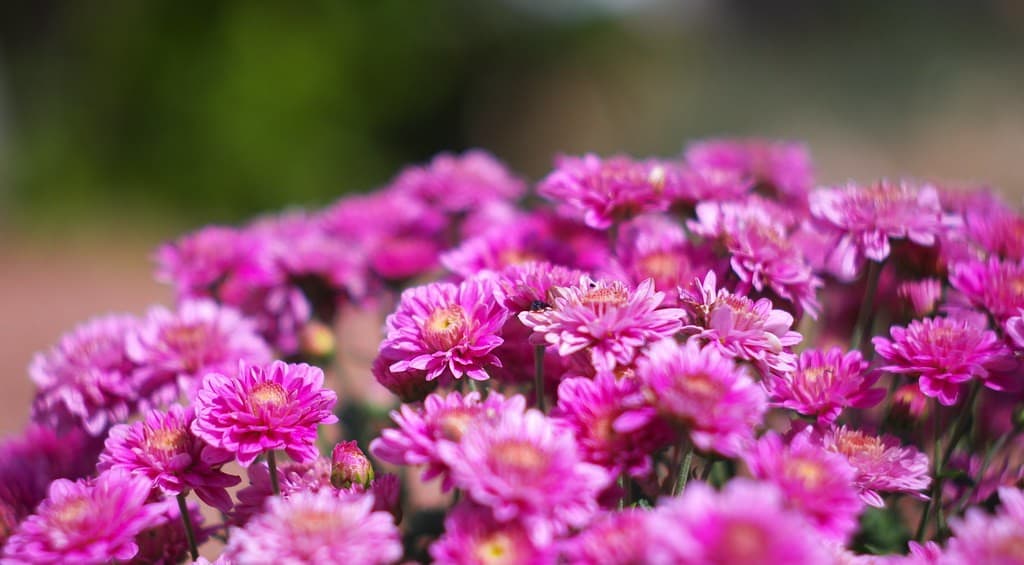
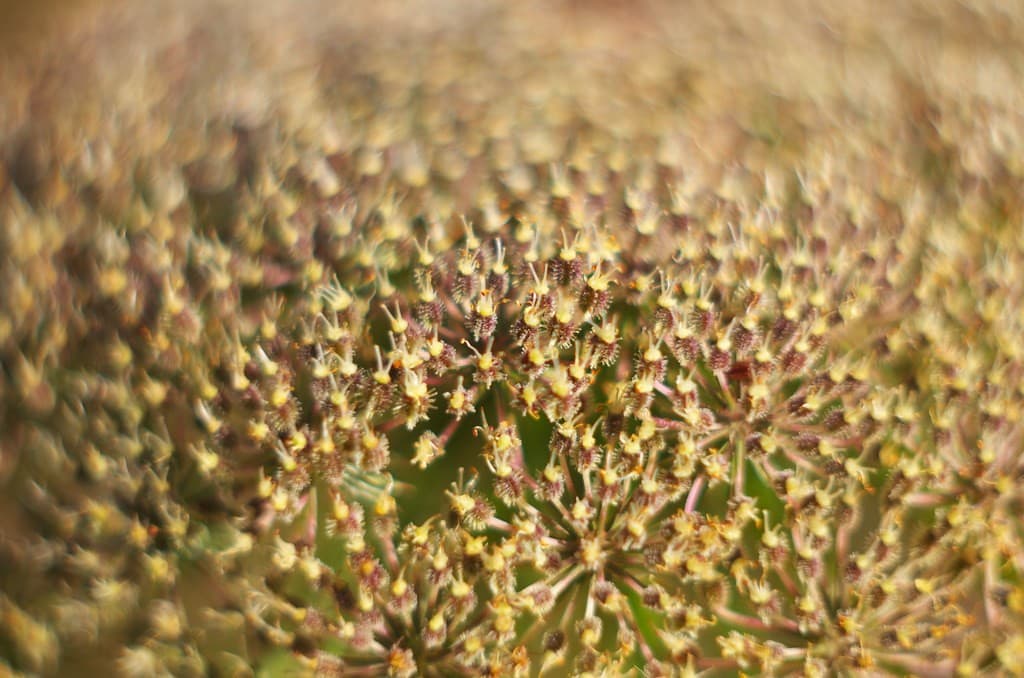
  • The original swirly bokeh
  • Historical significance — the lens that started it all
  • Unique vintage rendering
  • Build quality — solid German engineering
  • Affordable piece of optical history
  • 58mm unique focal length
  • The Zeiss heritage
What people dislike
  • Swirly bokeh not for everyone
  • Low contrast requires editing
  • Flares easily
  • Not sharp by modern standards
  • Radioactive (some versions have thorium)
  • M42 mount needs adapter
Pro Tips
  • UV light can reverse radioactive yellowing
  • Use the swirly bokeh intentionally — busy backgrounds work best
  • Great for vintage portraits and creative work
  • Stop down to f/4 for sharper but still characterful images
  • Add contrast in post — it's part of the workflow

Sources (3)

phillip_reeve-

https://phillipreeve.net/blog/carl-zeiss-jena-tessar-50mm-f-2-8-review/

phillip_reeve-

https://phillipreeve.net/blog/carl-zeiss-jena-tessar-50mm-f-2-8-review/

Lens Heritage 2nd JSONsecondary

The Carl Zeiss Jena Biotar 58mm f/2 is the great-grandfather of modern fast normal lenses. Designed by Willi Merté in 1936, the Biotar formula became the foundation for nearly every Double-Gauss standard lens that followed — including the Planar, the Nikkor, and the Helios 44. Made in East Germany (DDR) after WWII, the Biotar carries the original Zeiss DNA before the company split. It's a living piece of optical history.